Energy efficiency has become a defining priority in modern residential design. As homeowners look for ways to reduce utility costs, lower environmental impact, and improve year-round comfort, heating and cooling systems are receiving greater scrutiny. Traditional systems that rely on combustion or high electrical resistance often consume significant amounts of energy, especially during seasonal extremes. In contrast, newer technologies emphasize energy transfer rather than energy generation. This shift in approach has made heat pumps an increasingly important part of residential infrastructure.
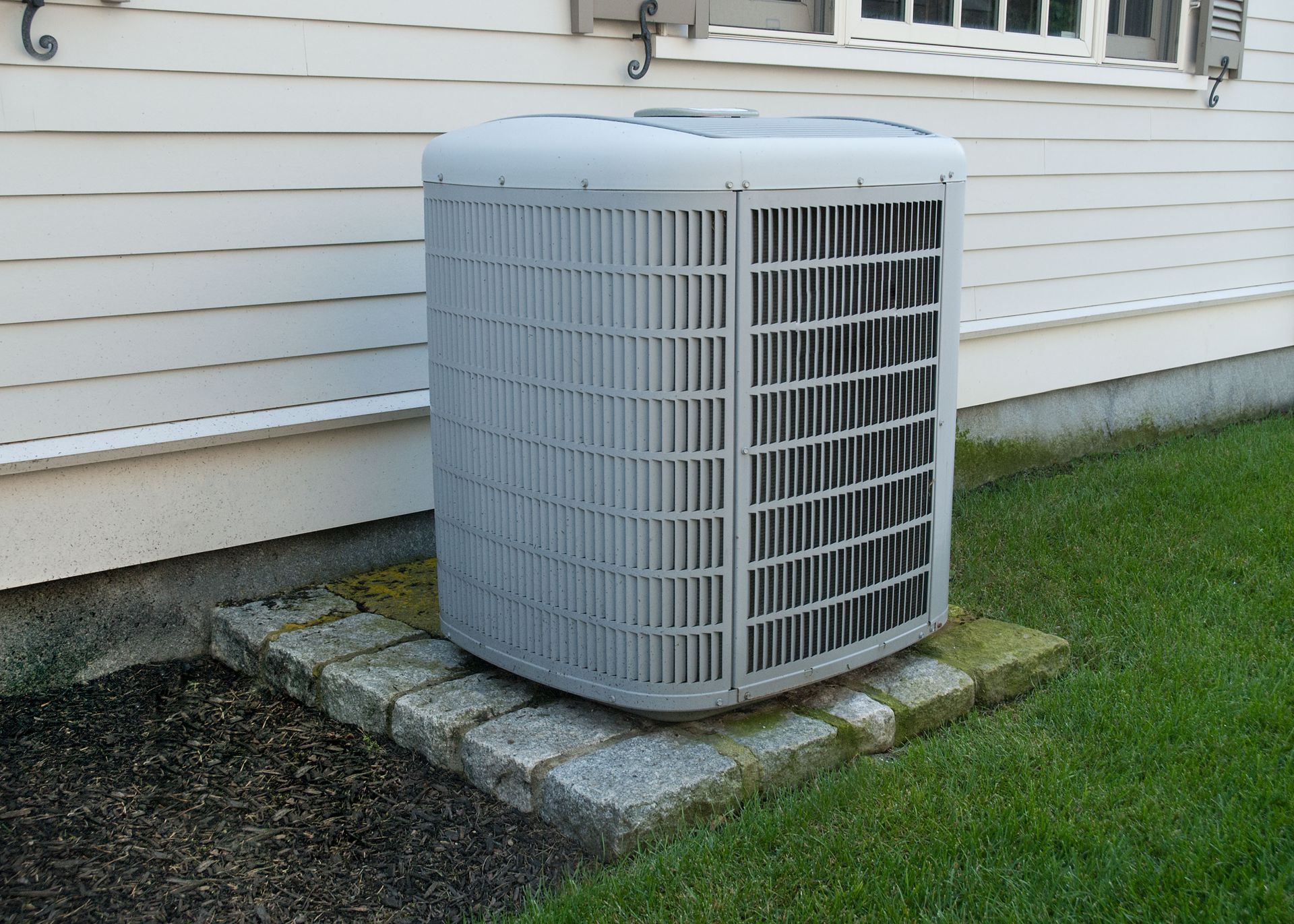
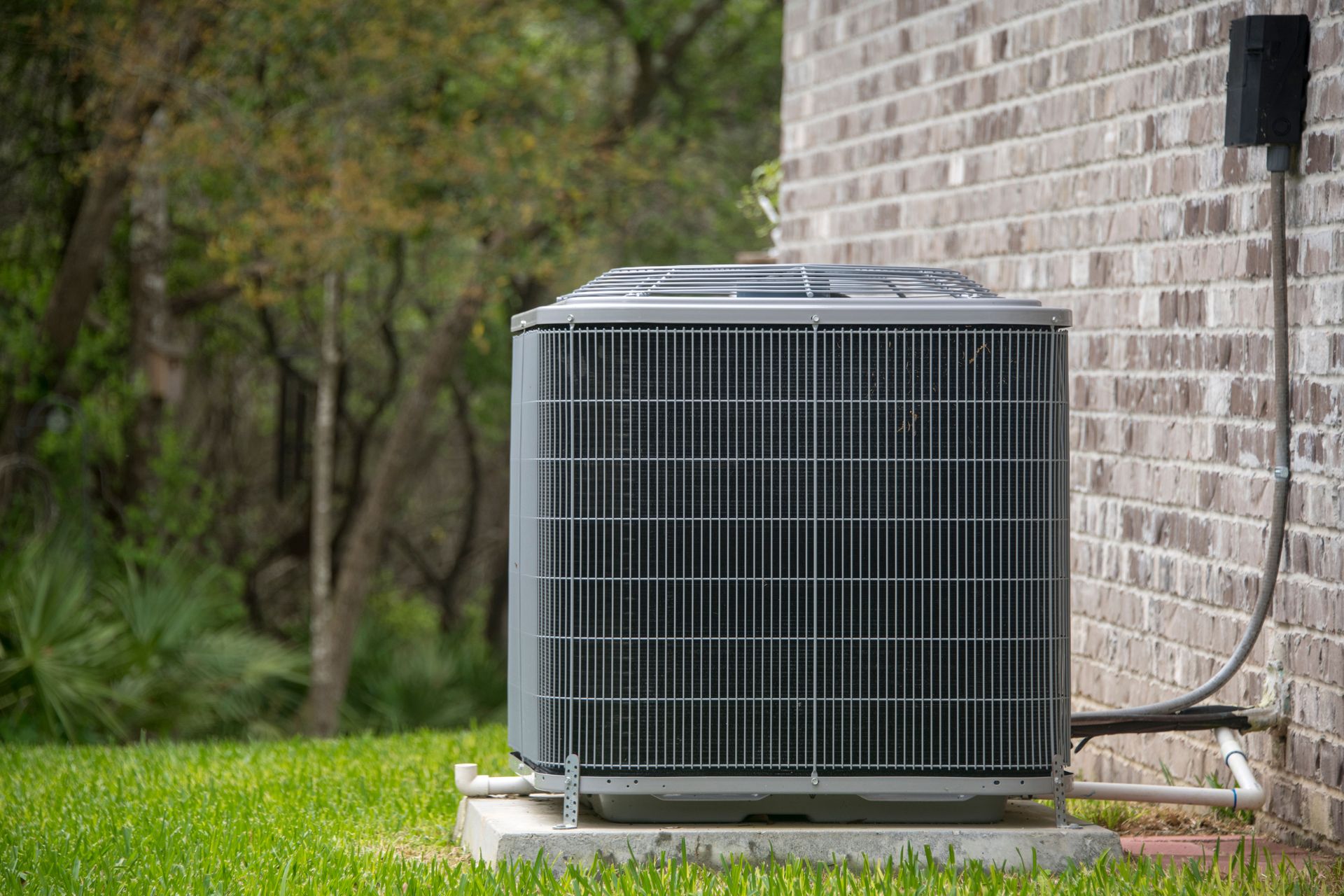
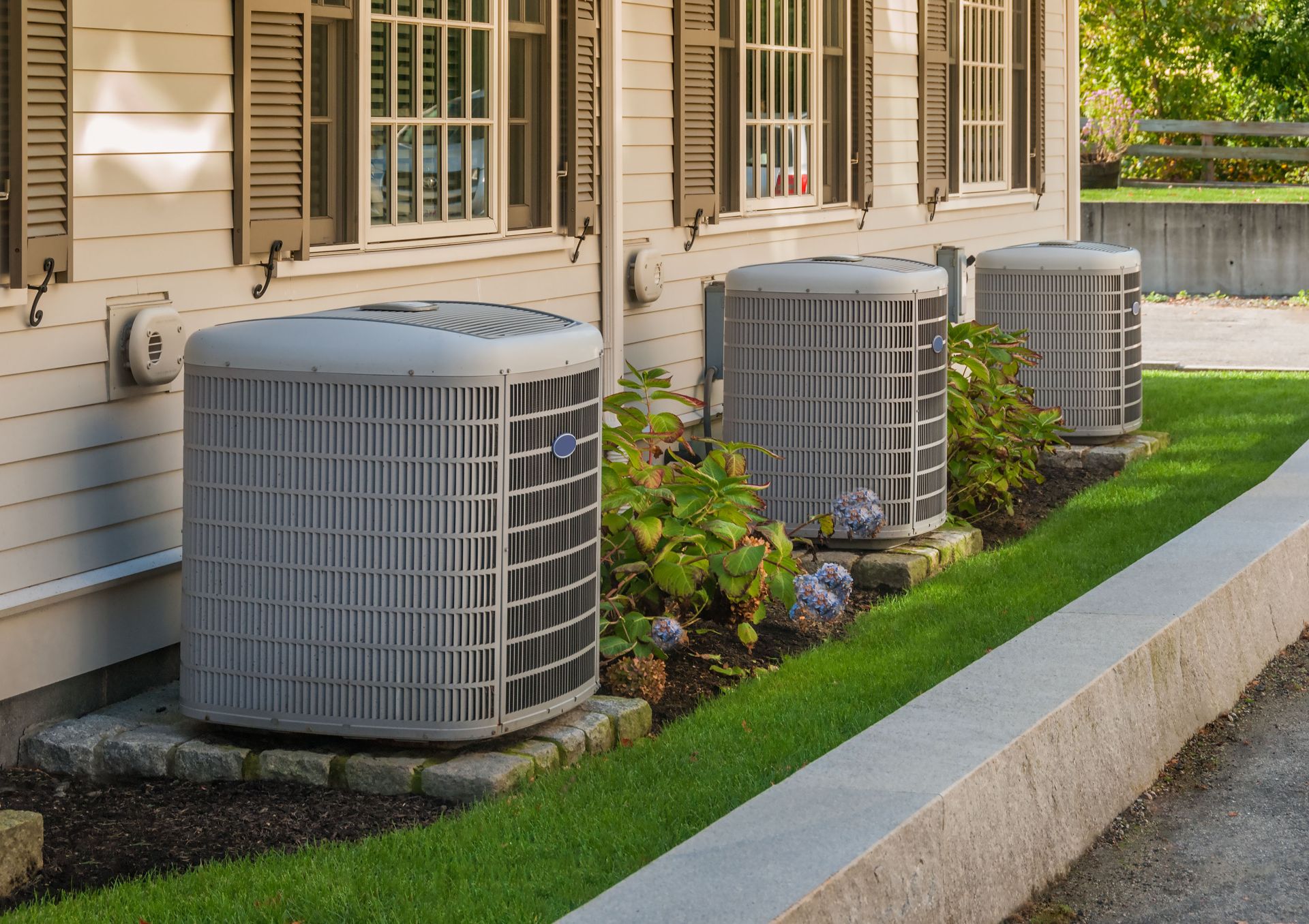
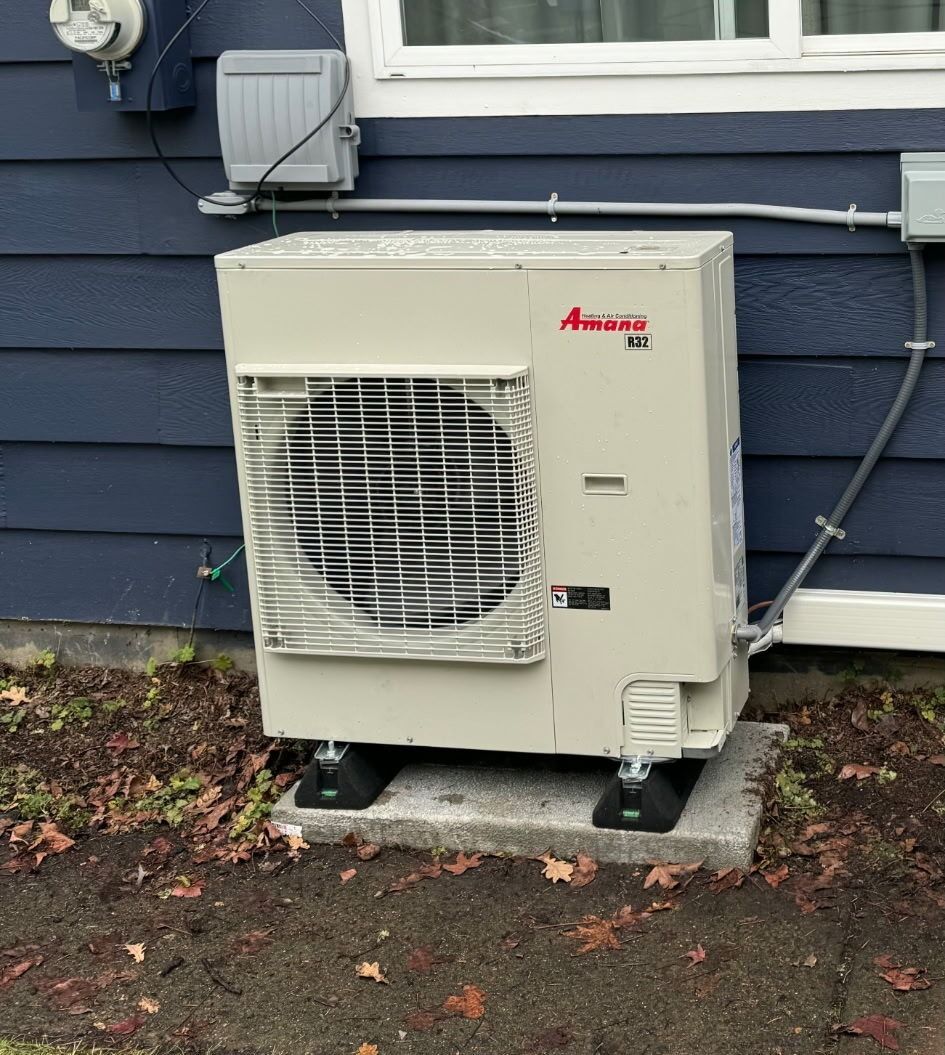
Heat pumps operate on a fundamentally different principle than conventional furnaces or air conditioners. Instead of producing heat through combustion or electric resistance, they transfer heat from one place to another. During colder months, they extract heat from the outdoor air or ground and move it indoors. In warmer months, the process reverses, drawing heat out of the home and releasing it outside. Because they move heat rather than create it, they can deliver more energy than they consume in electricity. This efficiency advantage is central to their growing adoption in modern homes.
As building standards evolve and homeowners prioritize sustainability, heat pumps are often considered not simply as an upgrade but as a strategic investment in long-term performance. Their ability to integrate with smart thermostats, advanced insulation practices, and high-performance duct systems further strengthens their role in energy-conscious construction and renovation projects.
Comparing Heat Transfer Technology to Conventional Heating Methods
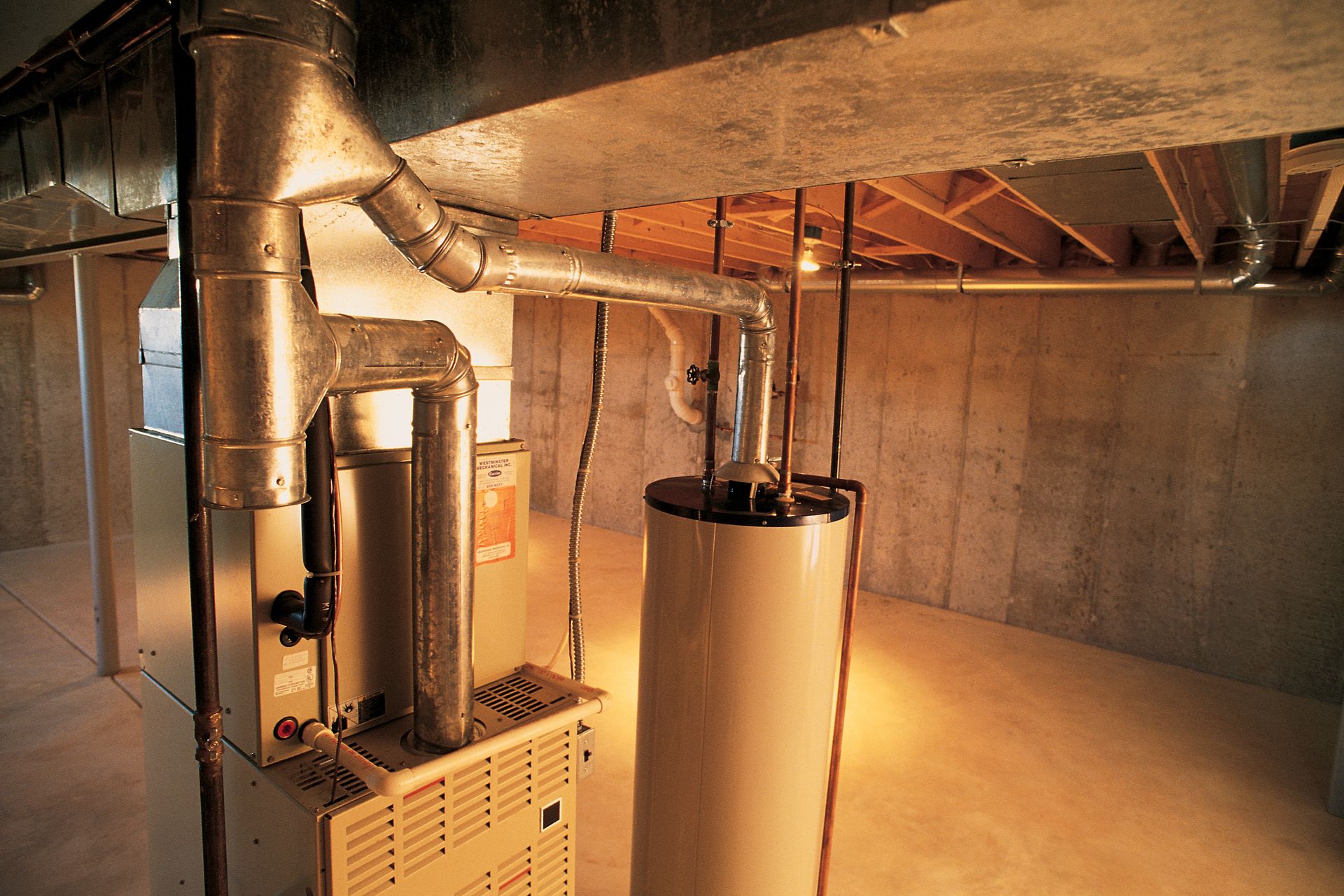
To understand how heat pumps improve efficiency, it is helpful to compare them to traditional heating systems. Gas furnaces generate warmth by burning fuel, converting chemical energy into heat. While modern furnaces can achieve relatively high efficiency ratings, some energy is inevitably lost through exhaust gases and heat dissipation. Electric resistance heaters, though simpler, convert electricity directly into heat, which can be costly when electricity prices are high.
Heat pumps differ because they rely on refrigerant cycles and compressors to transfer thermal energy. Even when outdoor temperatures are cold, there is still heat energy present in the air. By capturing and concentrating that heat, heat pumps can deliver two to three units of heat for every unit of electricity consumed. This coefficient of performance provides a measurable efficiency advantage over systems that generate heat through combustion or resistance.
The environmental implications are also significant. By reducing reliance on fossil fuels and maximizing electrical efficiency, heat pumps align with broader efforts to decarbonize residential energy use. As electrical grids incorporate more renewable sources, the environmental benefits of electric-based heating systems become even more pronounced. In this way, efficient heat transfer technology supports both household budgets and broader sustainability goals.
Improving Seasonal Efficiency and Year-Round Performance
One of the defining advantages of heat pumps is their dual functionality. Unlike systems that require separate equipment for heating and cooling, a single system can manage both seasonal demands. This integrated design reduces redundancy and allows homeowners to maintain consistent performance throughout the year.
During winter months, advanced models maintain efficiency even in colder climates through improved compressor technology and variable-speed operation. Rather than cycling on and off at full capacity, variable-speed systems adjust output to match real-time demand. This approach reduces energy spikes, maintains steadier indoor temperatures, and minimizes wear on system components.
In the summer, the same system functions as a high-efficiency air conditioner. By removing heat from indoor air and transferring it outdoors, heat pumps provide cooling comparable to dedicated air conditioning units. The seamless transition between heating and cooling modes contributes to energy savings by eliminating the need for separate fuel-based heating systems.
The growing popularity of this technology is reflected in recent market data. According to Leads4Build, electric heat pumps outsold gas furnaces by 25 percent in the first half of 2025, indicating a shift toward heat pump installations. This trend underscores both consumer confidence and broader recognition of the efficiency benefits associated with these systems. As adoption increases, manufacturers continue refining performance standards to meet diverse climate conditions.
Reducing Household Energy Consumption and Utility Costs
Energy efficiency directly affects monthly utility expenses. Because heat pumps rely on heat transfer rather than fuel combustion, they often require significantly less energy to maintain comfortable indoor temperatures. Over time, these savings can offset the initial installation investment, particularly in regions with moderate winter temperatures.
Lower energy consumption also reduces peak demand on electrical systems. By using variable-speed compressors and smart thermostats, heat pumps adjust output gradually rather than drawing maximum power at startup. This smoother operation reduces stress on both household wiring and regional power grids.
In addition to direct energy savings, improved efficiency may qualify homeowners for rebates or tax incentives in certain regions. Governments and utility providers increasingly encourage the adoption of high-efficiency systems as part of energy conservation initiatives. While incentive structures vary by location, the long-term financial appeal of reduced operational costs remains consistent.
Enhancing Indoor Comfort and Air Quality
Energy efficiency is not solely about cost savings. It also influences comfort and indoor environmental quality. Heat pumps provide more consistent temperature control than traditional systems that cycle on and off abruptly. Variable-speed operation allows for gradual adjustments, reducing temperature swings and eliminating the uneven heating common in older systems.
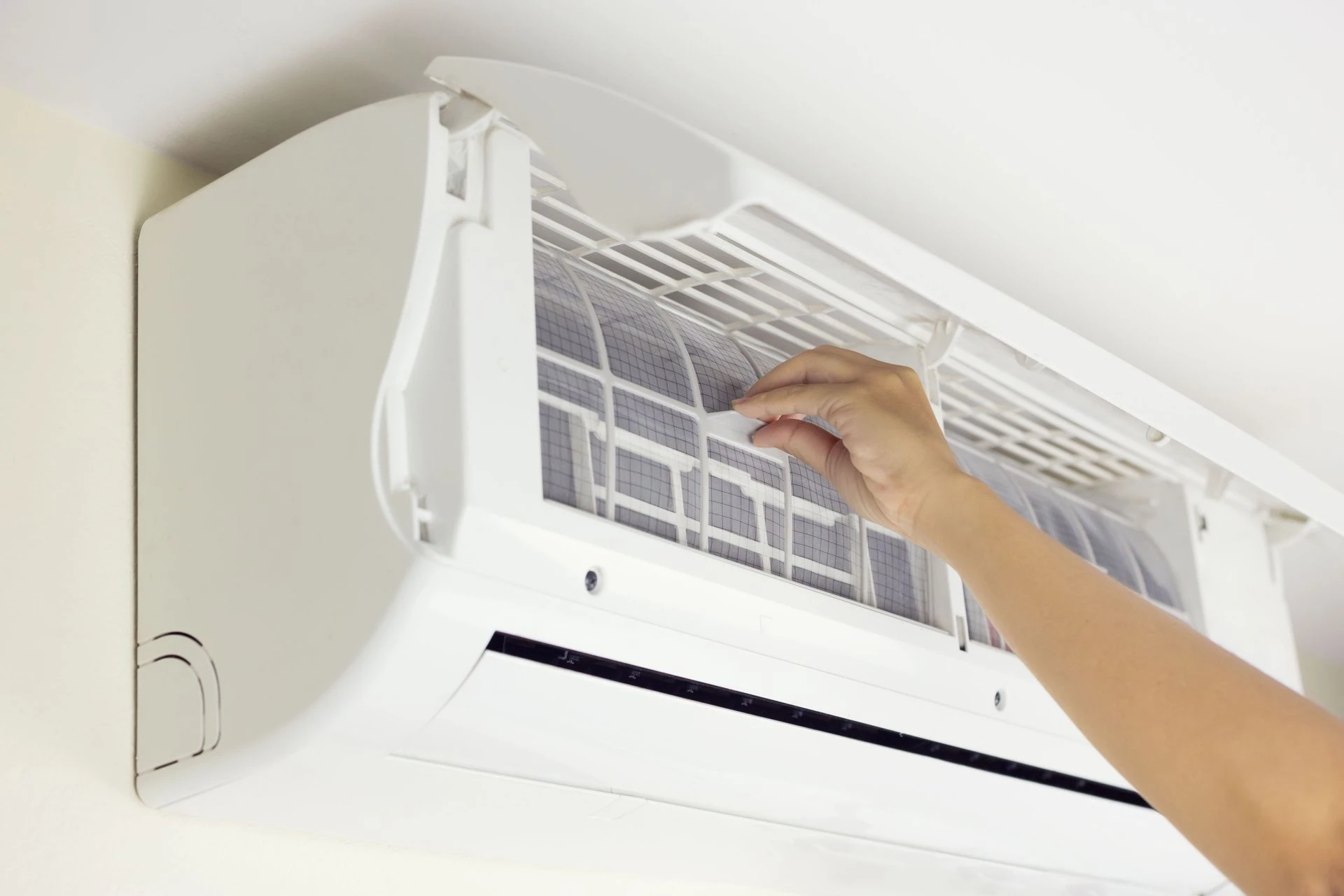
Humidity management is another benefit. During cooling mode, heat pumps remove excess moisture from indoor air, helping maintain balanced humidity levels. This process can improve comfort and reduce the likelihood of mold growth or musty conditions. Balanced humidity also supports better respiratory comfort, particularly for individuals sensitive to dry or overly damp air. Advanced filtration options further enhance indoor air quality. When paired with high-efficiency filters or air purification components, heat pumps can contribute to cleaner indoor environments. Reduced airborne particles and allergens complement the broader efficiency advantages of these systems.
Supporting Sustainable Building Practices and Electrification Goals
Sustainability initiatives increasingly emphasize electrification as a pathway to reducing greenhouse gas emissions. By shifting from fuel-burning appliances to electric alternatives, households can reduce reliance on fossil fuels and align with renewable energy expansion. Heat pumps play a central role in this transition.
When powered by electricity generated from renewable sources such as wind or solar, these systems operate with significantly lower carbon emissions than combustion-based heating methods. Even in regions where the electrical grid still incorporates fossil fuels, the high efficiency of heat transfer technology often results in lower overall emissions compared to traditional systems.
Builders and architects are incorporating heat pumps into energy-efficient home designs that emphasize insulation, airtight construction, and smart controls. By integrating these elements, homes achieve greater overall performance. High-efficiency windows, improved duct sealing, and advanced thermostats complement the operational benefits of modern heating systems.
Maintaining Long-Term Performance Through Proper Installation and Care
Efficiency gains depend not only on technology but also on correct installation and maintenance. Even the most advanced
heat pumps require professional sizing and placement to achieve optimal performance. Systems that are too large or too small for a home’s square footage may cycle inefficiently or fail to maintain consistent temperatures.
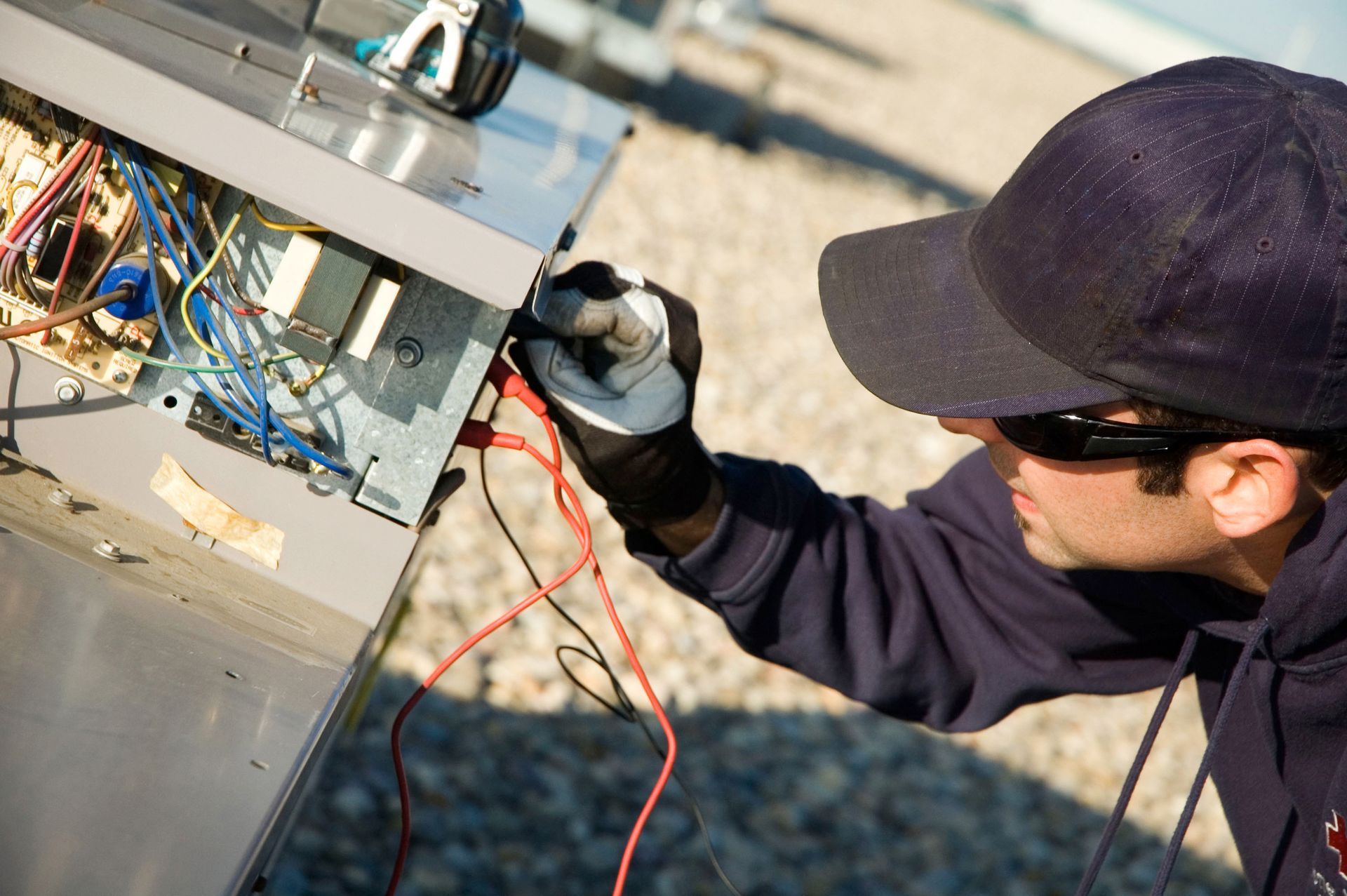
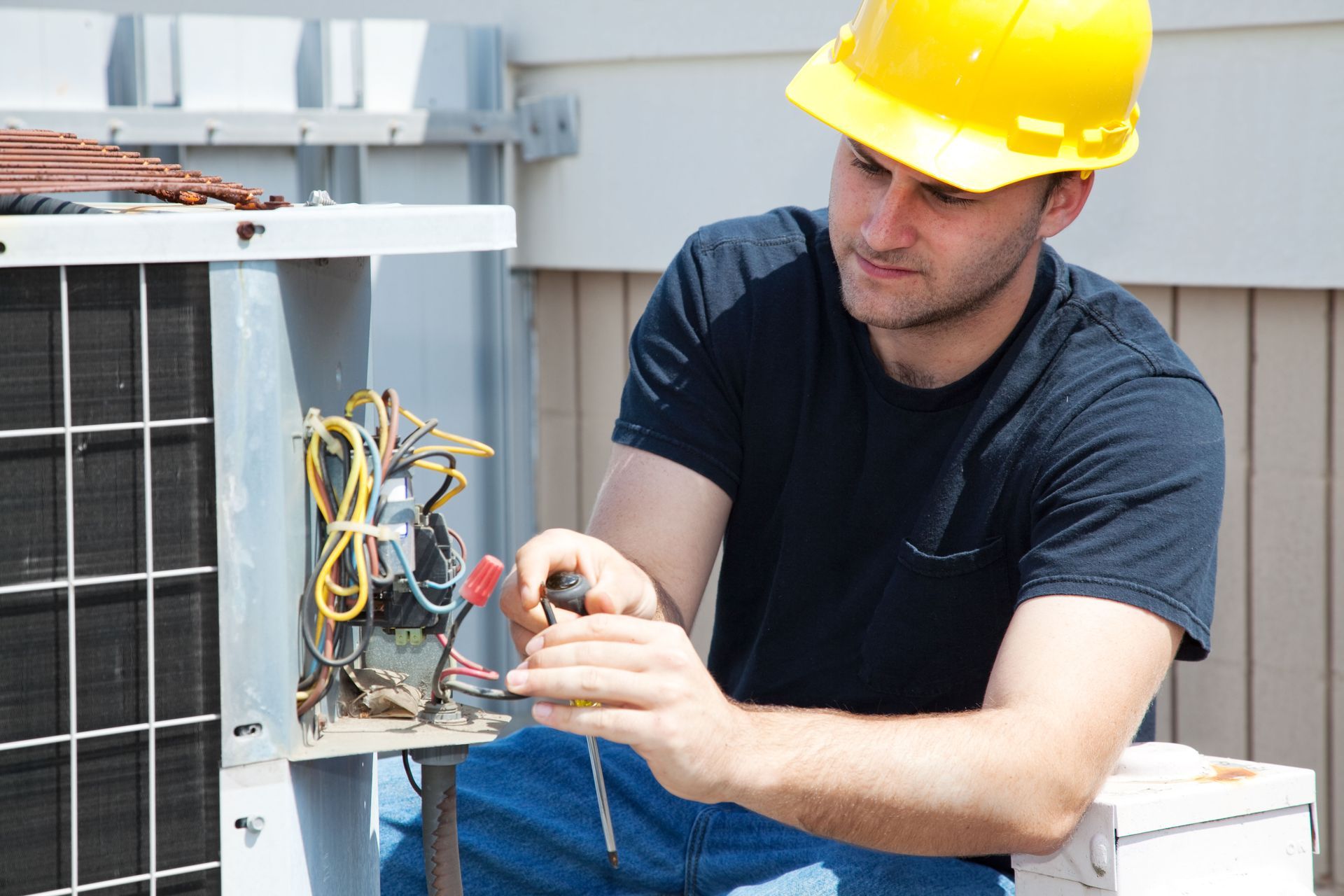
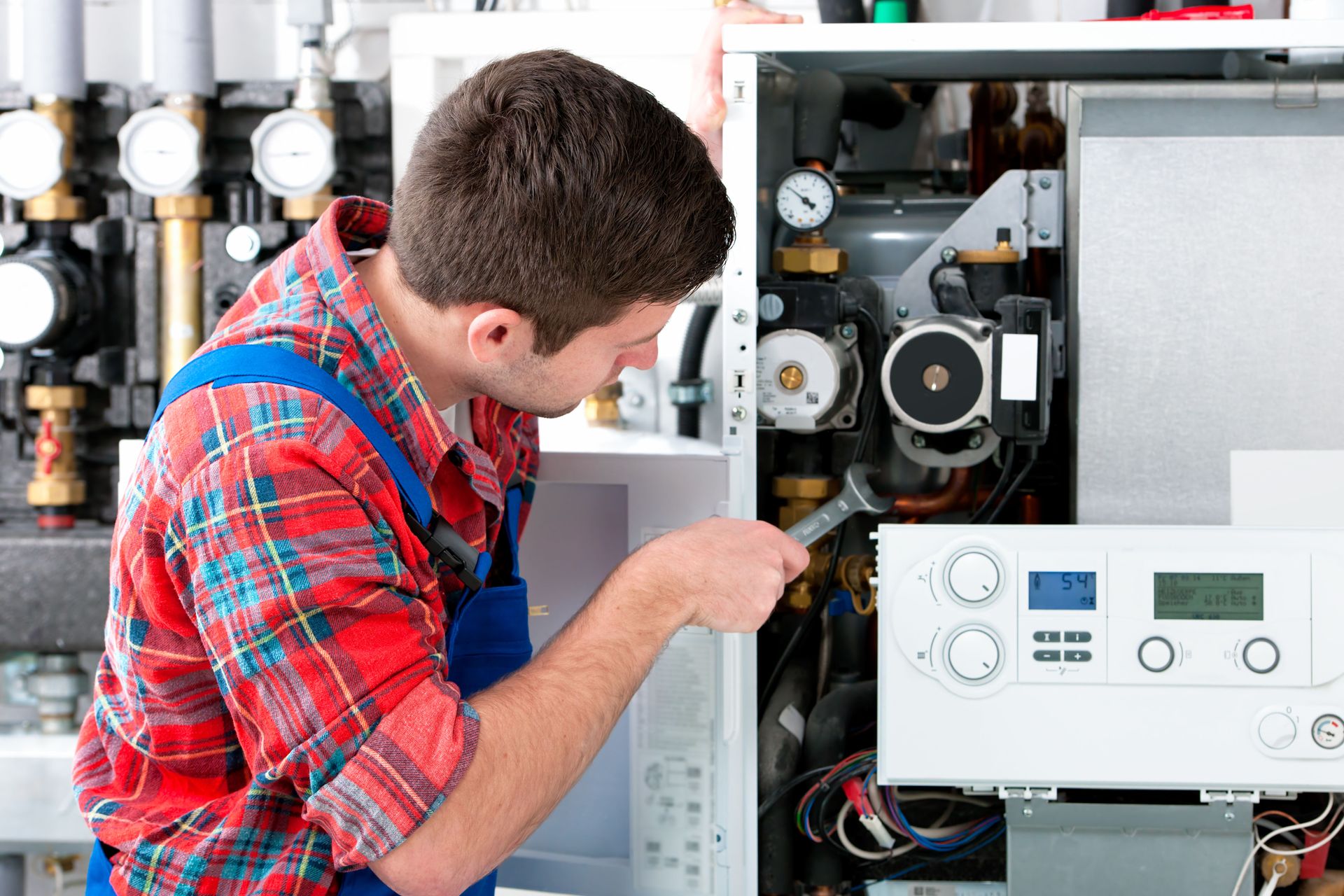
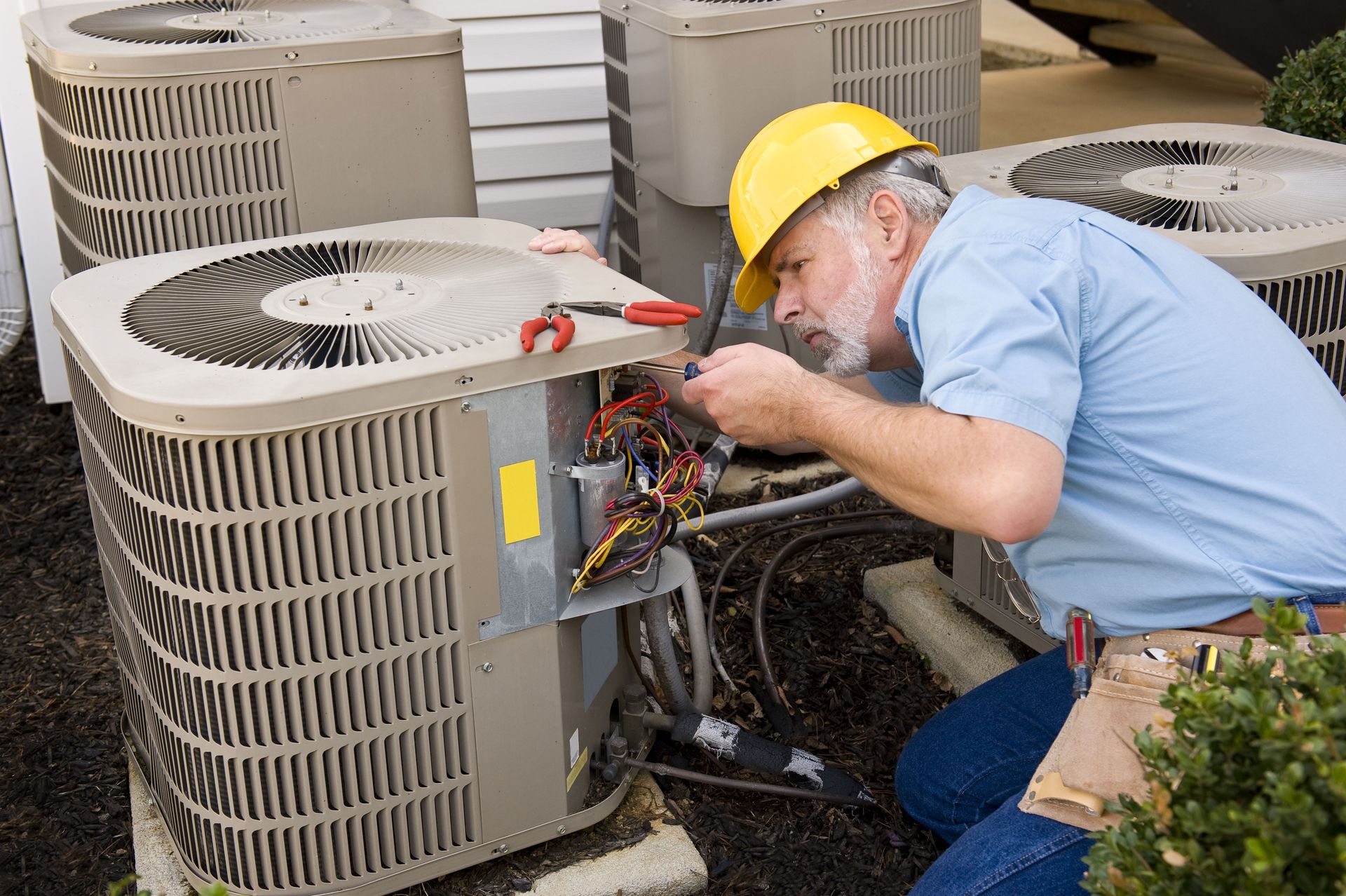
Professional technicians evaluate factors such as insulation levels, window placement, and climate conditions before recommending equipment. Accurate load calculations ensure that the system meets household demands without unnecessary strain. Ductwork integrity and refrigerant levels must also be carefully assessed to maintain efficiency standards.
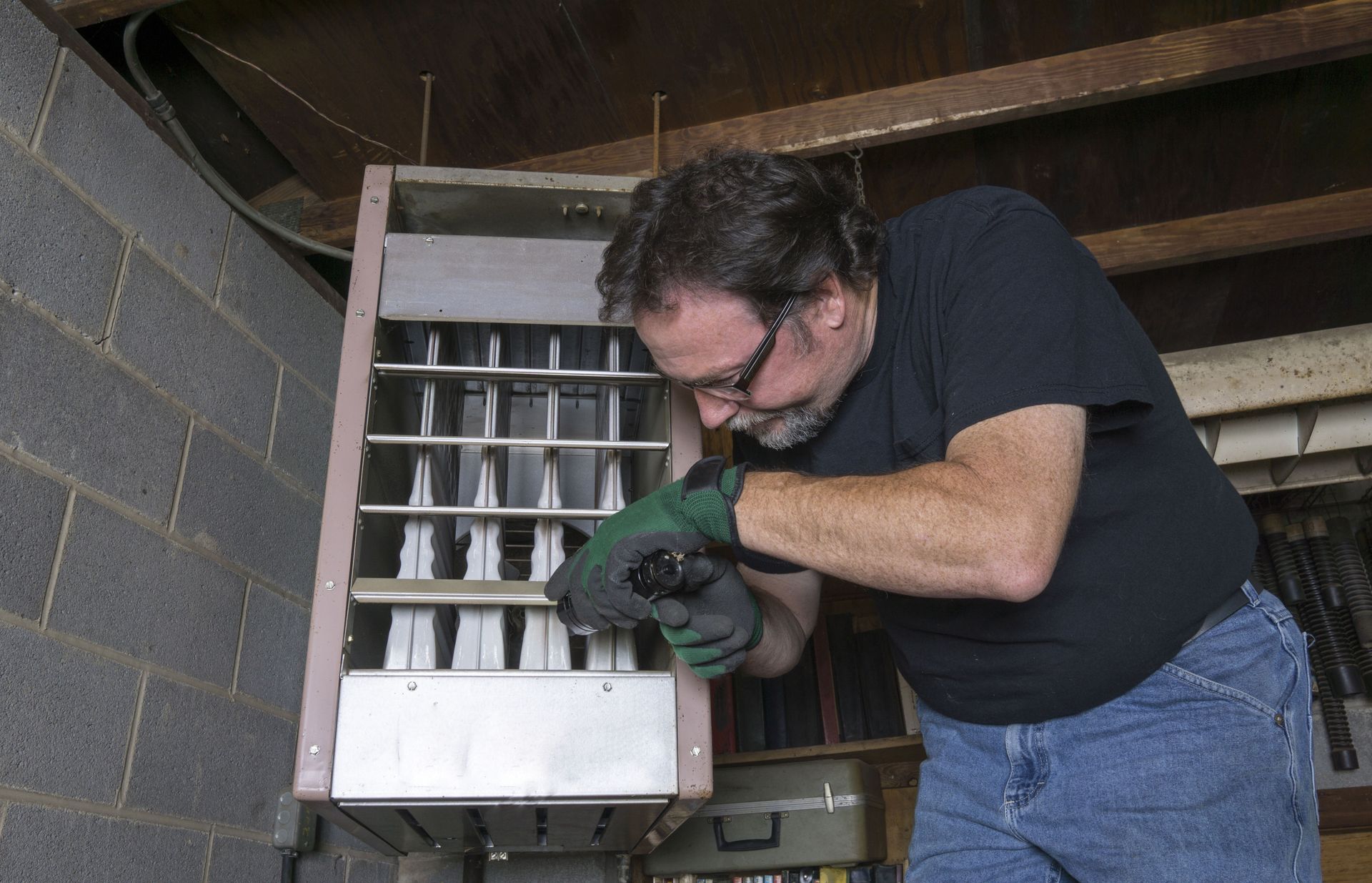
Routine maintenance supports long-term reliability. Seasonal inspections help identify potential issues before they escalate into costly repairs. Cleaning coils, checking electrical connections, and verifying thermostat calibration all contribute to sustained energy performance. Homeowners who prioritize preventative care often experience more stable utility costs and fewer unexpected disruptions. Call Portland Heating & Air Conditioning today to schedule your heating or cooling service.