A high efficiency gas furnace is a smart investment for heating your home, providing comfort with minimal energy consumption. However, to maintain their efficiency and prolong their lifespan, regular maintenance is crucial. This comprehensive guide aims to educate homeowners on the best practices for maintaining their high efficiency gas furnaces, ensuring optimal performance and safety.
Understanding Your Furnace's Operations
Recognizing the Components
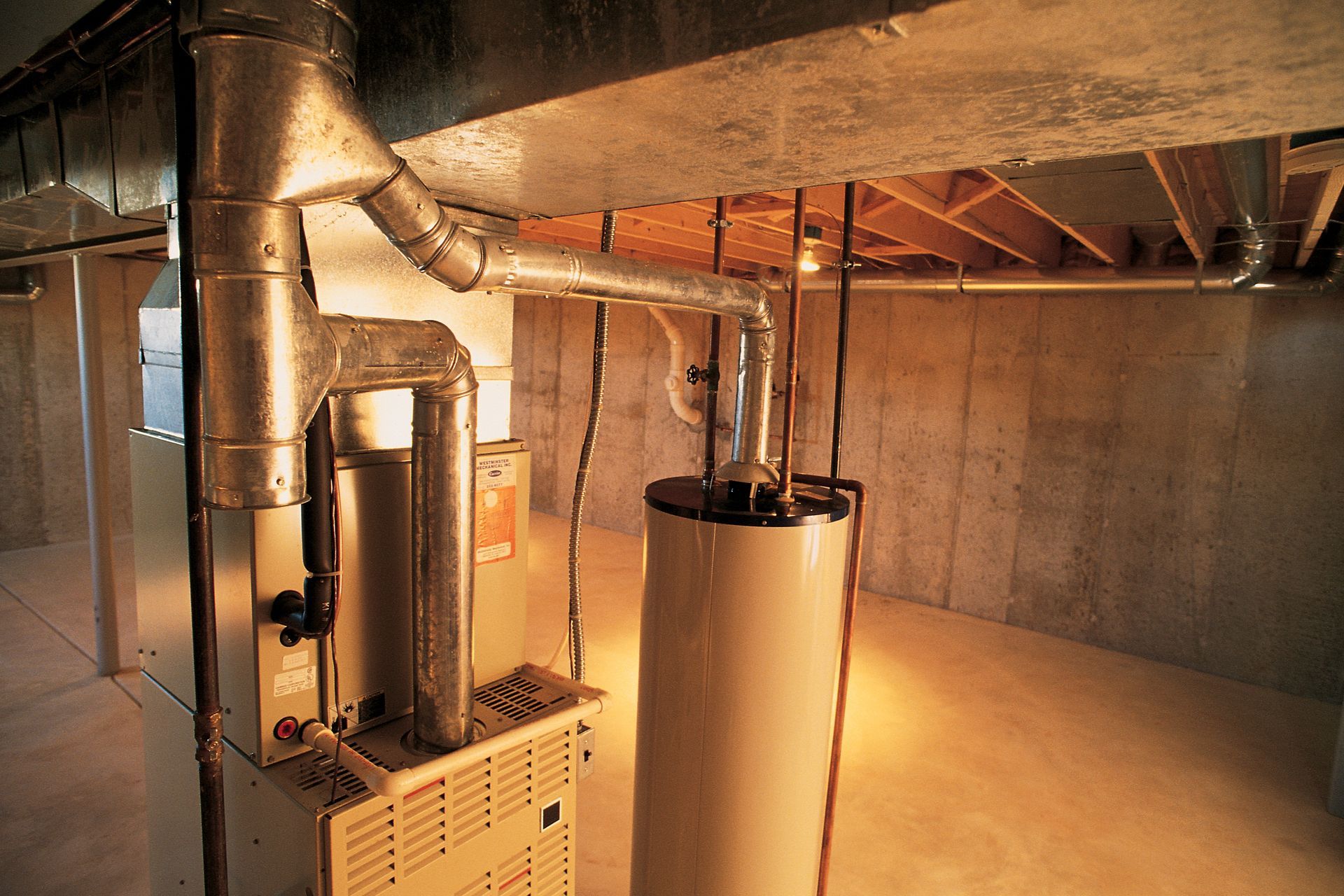
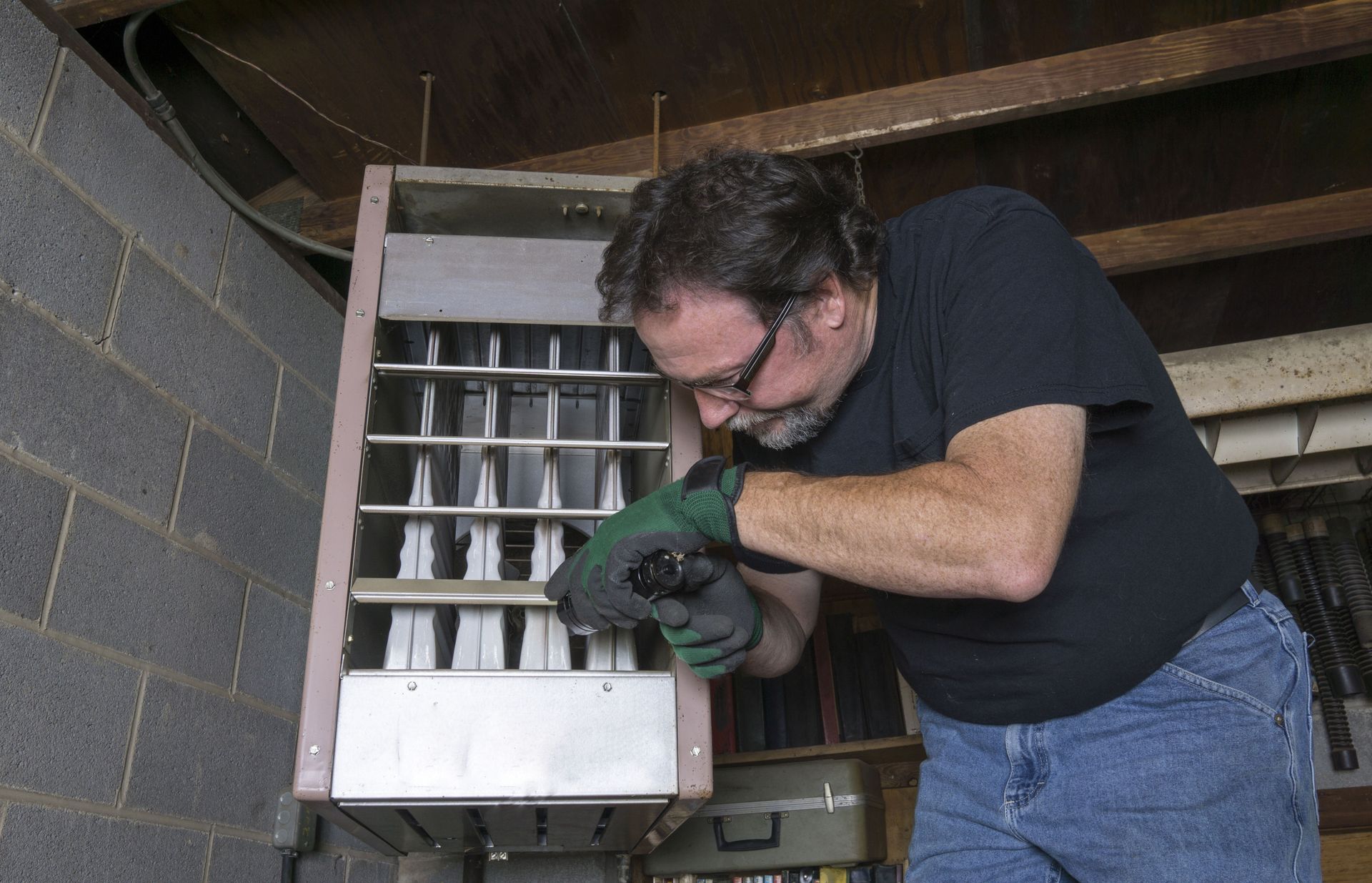
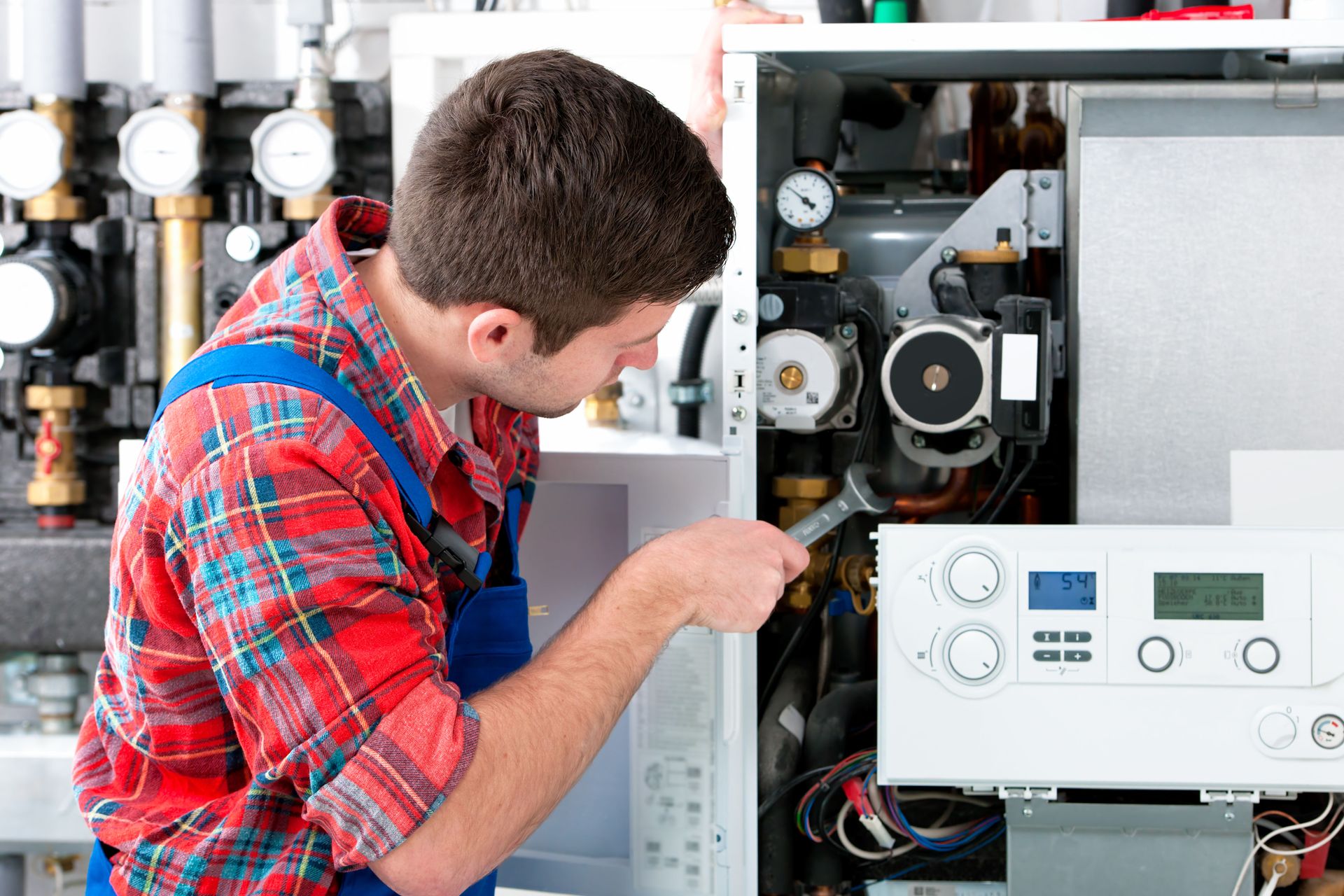
Understanding the components of your high efficiency gas furnace is the first step in proper maintenance. Key parts include the burners, heat exchanger, blower, and controls. Regularly inspecting these components for signs of wear and tear is crucial. Each part plays a vital role in ensuring that your furnace operates efficiently. Familiarizing yourself with these components can also help identify any issues early, preventing costly repairs.
In addition to these main components, your high efficiency gas furnace includes important features like the flue or venting system, which safely expels combustion gases. Proper knowledge of these elements can aid in maintaining a safe and efficient furnace system. Understanding the interplay between these parts allows for a more comprehensive approach to furnace maintenance. It's important to realize that a well-maintained system not only performs better but also ensures the safety of your home by preventing gas leaks.
How the Combustion Process Works
The combustion process in a high efficiency gas furnace is a critical function by which fuel is converted into heat. It begins when the thermostat signals the furnace to start, opening the gas valve to release natural gas or propane. The burners then ignite this fuel, creating a heat source. This process is carefully regulated to ensure maximum efficiency and minimal waste. Understanding this mechanism is crucial for troubleshooting any issues your furnace might experience.
Inadequate combustion can often result in decreased furnace performance and increased energy costs, reinforcing the importance of regular maintenance. Homeowners should be aware of the signs of malfunction which include unusual noises, inefficiencies in heat distribution, or visible soot marks. By ensuring the combustion process is efficient, you preserve the life of your high efficiency gas furnace and guarantee the safety of its operation.
Efficiency Ratings and What They Mean
Understanding furnace efficiency ratings can guide you in optimizing your system and managing energy consumption wisely. Efficiency ratings, like the Annual Fuel Utilization Efficiency (AFUE), help homeowners understand how effectively a furnace converts fuel into heat. A high-efficiency rating implies more warmth per gas unit used, translating to lower energy bills. Knowing these numbers can guide your maintenance practices, as the condition of your furnace directly impacts its efficiency. Manufacturers provide these metrics to help consumers make informed choices when purchasing and maintaining their systems.
The importance of keeping a high efficiency gas furnace properly maintained cannot be overstated. An efficiently running furnace not only ensures optimal performance but also minimizes your household's carbon footprint. Regular maintenance like checking components and cleaning filters contributes to maintaining a healthy AFUE rating. Misalignment or wear in critical components can lead to a drop in efficiency. Thus, understanding what efficiency ratings mean should guide your maintenance routine. Ultimately, your best defense against fluctuating efficiency ratings is a proactive maintenance regimen.
Regular Cleaning and Inspection
Identifying Parts That Need Regular Cleaning
Regular cleaning is an essential part of furnace maintenance, particularly in components prone to accumulating dust and debris. The blower, filters, and burners are common areas requiring regular cleaning to prevent buildup that could hinder performance. Dirt accumulation can obstruct airflow, leading to inefficiencies and increased wear that compromise your system's lifespan. Identifying these parts in your maintenance checklist ensures a smooth-running furnace. Addressing these areas not only preserves efficiency but also protects against potential fire hazards due to dust-induced overheating.
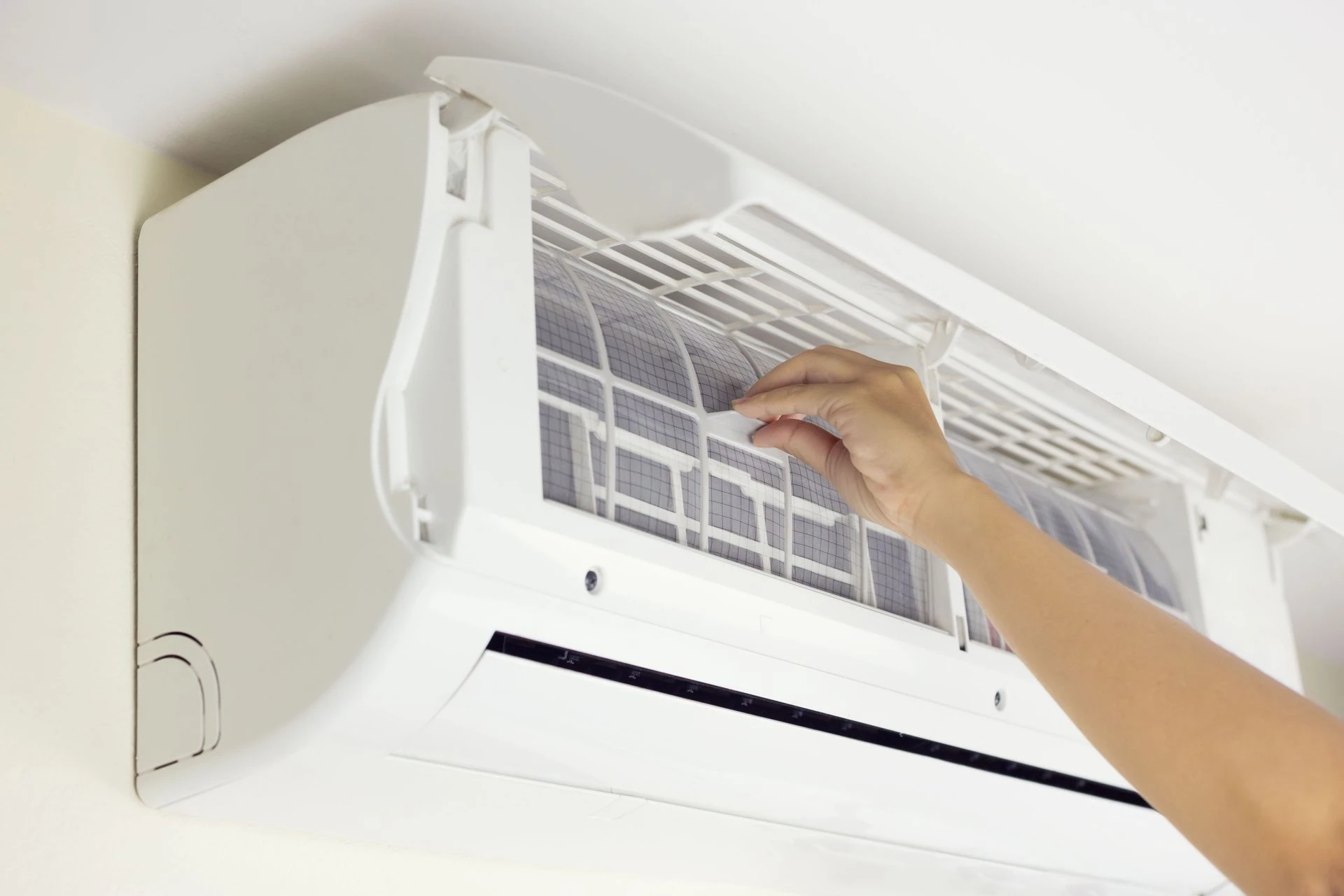
Filters require more frequent attention, often monthly checks, to ensure that they are not clogged. Clean filters enhance efficiency by ensuring unobstructed airflow through the heating system. On the other hand, dirty filters restrict airflow, forcing your furnace to work harder and use more energy to maintain the desired temperature. Consistent inspection and cleaning minimize stress on the furnace, ensuring it runs optimally.
Cleaning and Replacing Filters
Filter maintenance is one of the most crucial yet simplest tasks a homeowner can perform when caring for their furnace. Dirty filters obstruct airflow within the system, forcing the furnace to operate harder and longer to meet heating demands. This inefficiency not only heightens energy costs but also accelerates wear and tear on internal components. Frequent filter replacements maintain proper airflow and optimize system performance. Keeping the filters clean can drastically improve the lifespan of the furnace and ensure healthier air quality in your home.
Clean filters also contribute to healthier indoor air quality by reducing allergens and dust circulating through your home. Neglecting filter maintenance risks indoor air pollution and potential health issues for the occupants. Investing time in this simple task yields considerable benefits both in terms of energy efficiency and overall home environment quality. Homeowners should keep a stock of replacement filters to facilitate timely changes during inspections.
Using Professional Cleaning Services
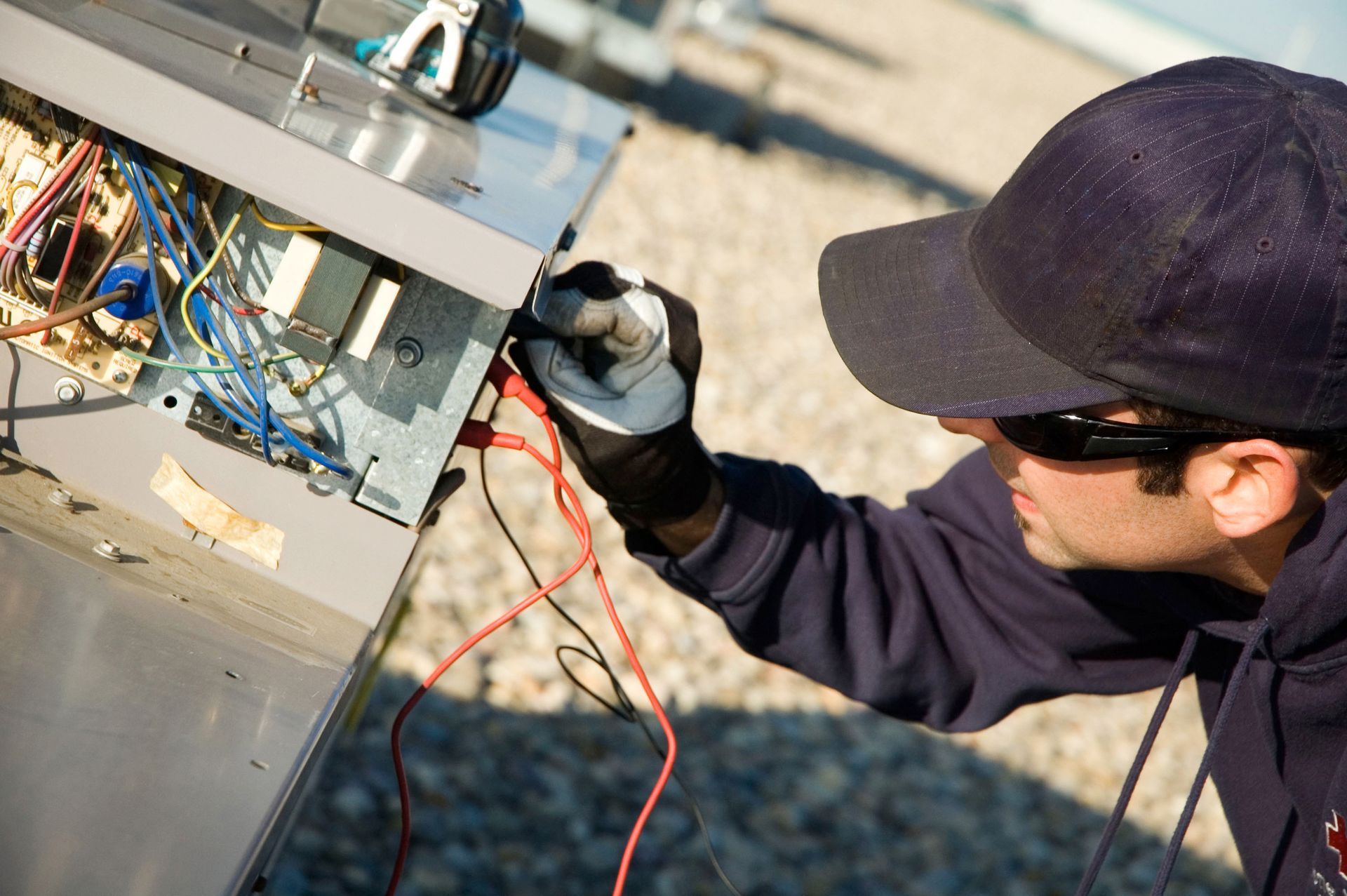
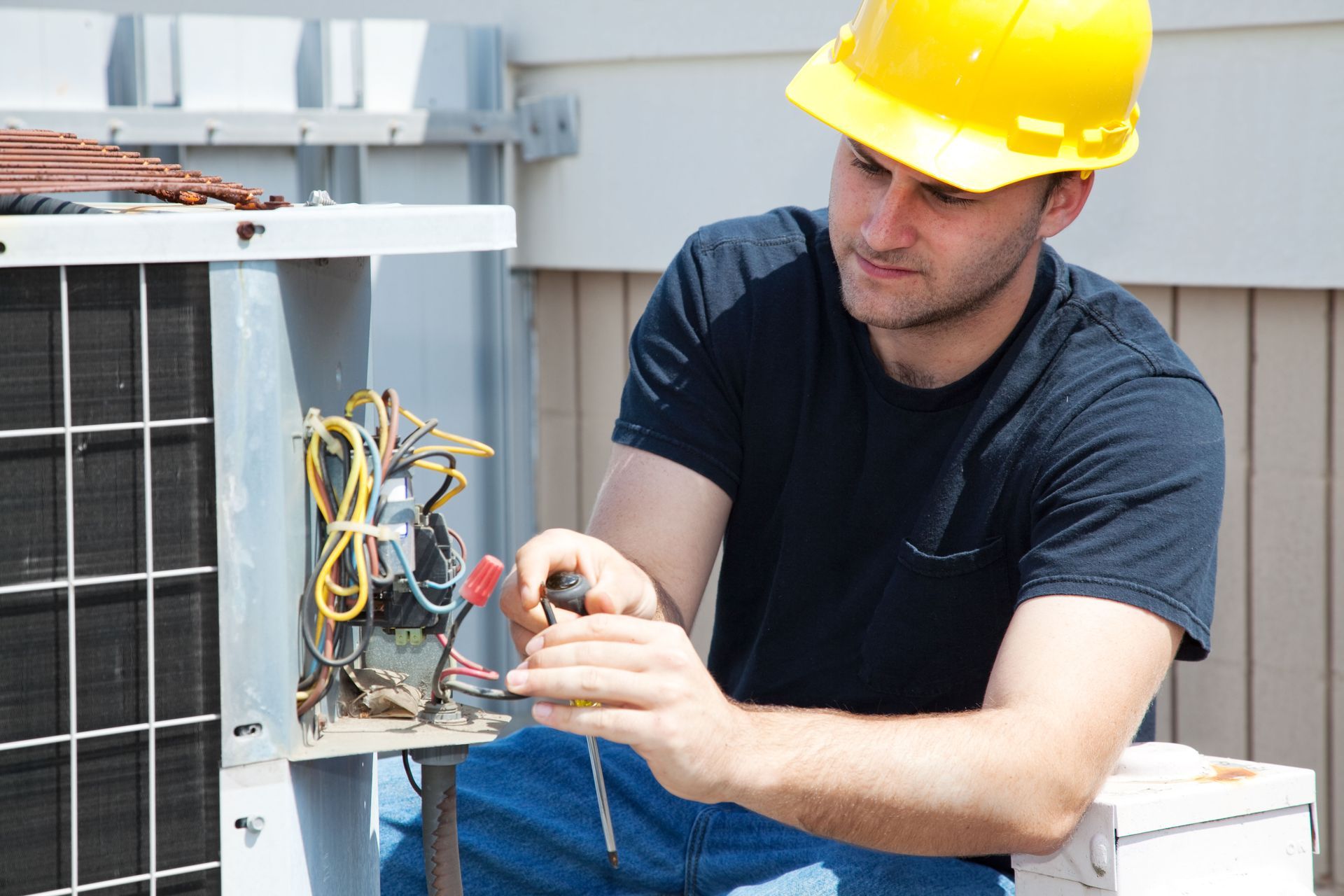
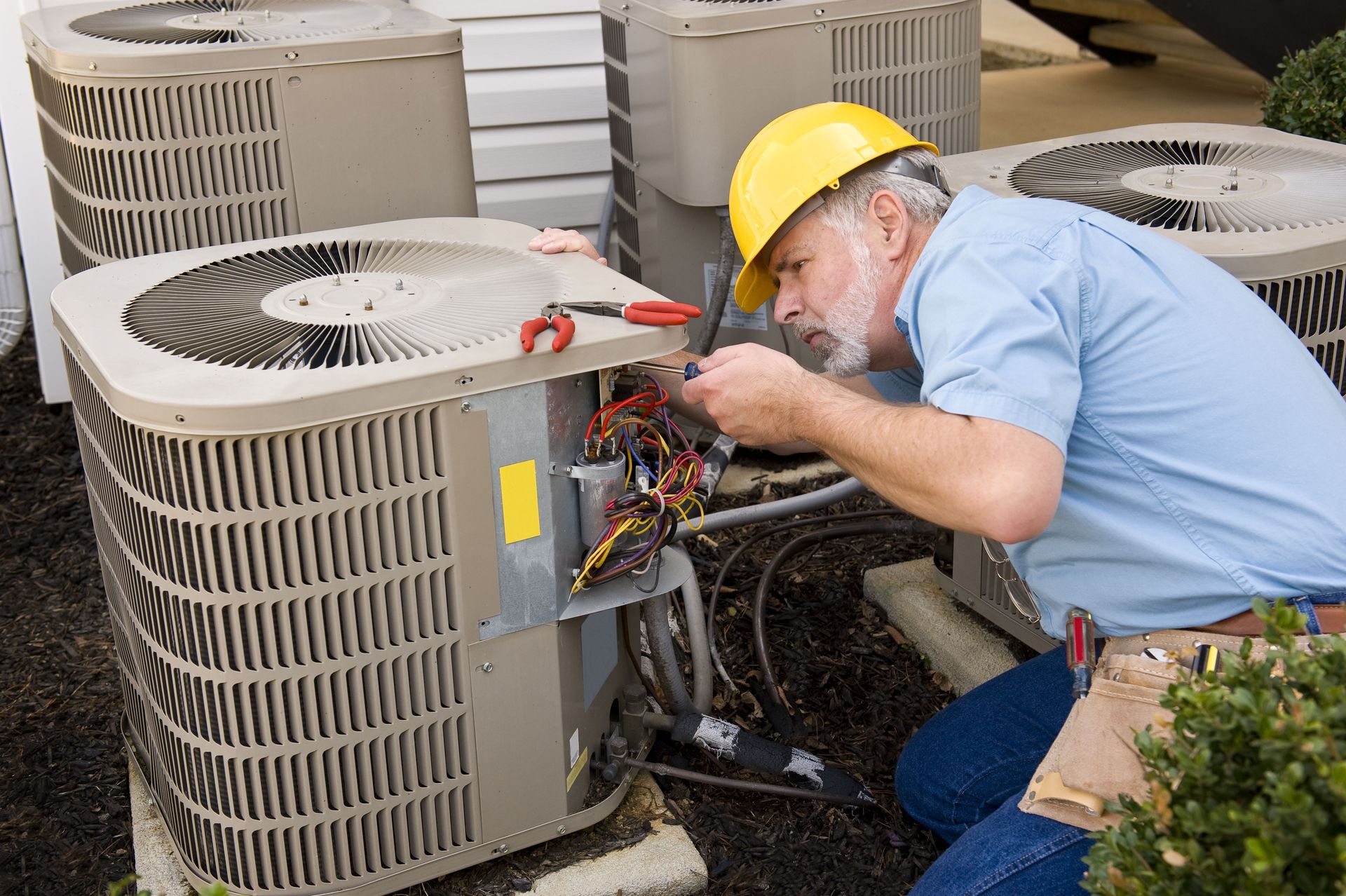
While much of furnace maintenance can be handled by homeowners, engaging professional cleaning services periodically offers invaluable benefits. Trained professionals have the expertise and tools necessary for thorough cleaning, reaching areas inaccessible to the average homeowner. They also possess the knowledge to spot issues that might not be evident to untrained eyes. Service professionals bring insights beyond cleaning, offering guidance and performing tune-ups that can prevent future problems. Consequently, professional cleaning can be considered an investment in system longevity and efficiency.
According to the U.S. Bureau of Labor Statistics, about 40,100 openings for heating, air conditioning, and refrigeration mechanics and installers are projected each year on average, driven mainly by workers transferring to other jobs or retiring, these professionals are critical to maintaining heating systems. Their contribution can't be understated in ensuring the safety of your home while optimizing heating systems' functionality. Choosing certified professionals helps ensure the operation of your furnace aligns with safety standards and efficiency benchmarks.
Tuning Up for Seasonal Changes
Performing Pre-Winter Checks
Preparing your high efficiency gas furnace for the winter season is essential to avoid sudden breakdowns during periods of extreme cold. Pre-winter checks should include inspecting the thermostat, ensuring that it is calibrated correctly, and verifying that its batteries, if applicable, are fresh. Additionally, examining and cleaning the furnace's burners and heat exchanger can prevent efficiency loss. These steps help address any accumulated dust or malfunctions from prolonged inactivity during the warmer months. Conducting these checks ensures your furnace is ready to perform reliably when demand peaks.
Pre-winter inspections not only mitigate heating issues but also help identify potential hazards like gas leaks or carbon monoxide emissions. Professional servicing ahead of winter provides peace of mind by ensuring your system meets all safety standards. With these preparations done, your furnace is better equipped to function optimally during continuous use in colder months. Ensuring system readiness preceding winter months is a proactive step towards reducing emergency repairs. Consistent preparation ensures safe and efficient operation of your heating system when it is needed most.
Tuning Up for the Spring and Summer
As temperatures rise and the demand for heating drops, it's equally important to perform a spring tune-up on your furnace. This practice safeguards the system from developing problems during the offseason that can exacerbate into larger issues. Transitioning from heavy use to dormancy should involve checks to confirm there are no lingering problems like slow-blow pipes or air leaks. Like the pre-winter protocol, the spring procedure verifies that components are clean and functional, preventing corrosion or dust accumulation. Structured wrap-up procedures ensure equipment longevity and readiness for the next heating season. This offseason maintenance brings attention to preventive measures, like sealing any ductwork leaks identified during colder months.
As you can see, there are many great tips for maintaining your
high efficiency gas furnace throughout the year. Understanding how it works, ensuring regular inspections and cleanings, and ensuring timely tune-ups can keep your furnace running for years to come. If you're looking for furnace installations or repairs, contact Portland Heating & Air Conditioning today.