Summer heat places a heavy demand on your home comfort systems, making consistent climate control a top priority. Understanding the ideal timeline for professional system upkeep keeps your equipment running smoothly when you need it most. Routine oversight prevents unexpected breakdowns, optimizes energy consumption, and extends the operational lifespan of your cooling unit. Proactive planning allows homeowners to stay ahead of seasonal temperature spikes without facing sudden system failures.
Recognizing Early Performance Warning Signs
Tiny changes in how your system operates often indicate that internal components are struggling. When your cooling unit begins to cycle on and off rapidly, or if certain rooms remain uncomfortably warm, the system requires professional attention. Addressing these subtle performance drops immediately helps homeowners prevent minor cooling glitches from escalating into major AC repairs. Swift diagnostic action keeps small mechanical issues from turning into costly household emergencies.
Ignoring strange noises like squealing, banging, or grinding can lead to severe internal damage over time. These sounds usually point to loose belts, failing motor bearings, or misaligned fans that require expert calibration. Scheduling a professional assessment at the first sign of unusual noise keeps your system stable and prevents total component failure. Structural vibrations linked to these sounds can also loosen vital electrical connections if left unaddressed. Timely audio evaluations protect sensitive internal machinery from compounding structural harm.
Inconsistent airflow or weak output from your supply vents also signals a deeper mechanical issue. This reduction in air movement forces the compressor to work much harder, driving up your monthly utility costs significantly. Prompt intervention resolves the underlying airflow restrictions before the entire system overheats and shuts down completely. Professional technicians easily locate the specific duct blockages or blower defects causing the restricted air movement.
Scheduling Annual Spring Technical Tune-Ups
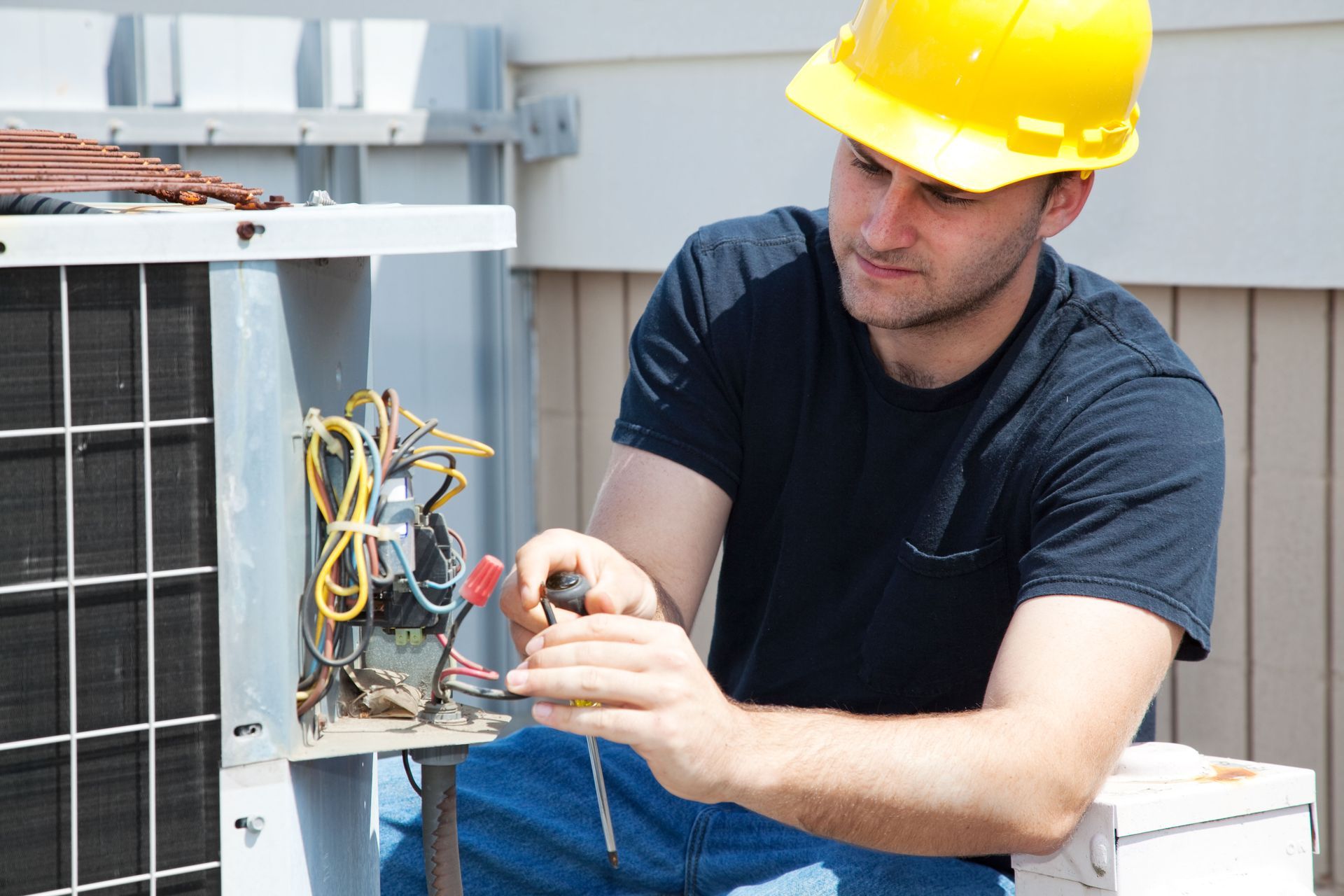
Arranging professional maintenance once a year during the spring season prepares your cooling system for the intense summer workload. Technicians use this time to clean internal coils, verify refrigerant levels, and inspect electrical connections for safety. This proactive approach identifies worn parts before they cause a complete system breakdown during a heatwave. Early spring appointments guarantee open availability before the peak summer rush begins.
Skipping this yearly checkup often results in accumulated dust and debris clogging the delicate internal machinery. This buildup restricts necessary heat transfer, forcing the system to run longer cycles to cool your home. Regular spring tune-ups eliminate this debris, reducing the frequency of unexpected AC repairs throughout the peak cooling season. Clean internal surfaces allow the entire apparatus to operate with significantly less mechanical strain.
Consistent yearly care also preserves the structural integrity of major internal parts like the compressor and evaporator coils. Clean, well-lubricated components experience much less friction and wear during daily operation. This annual investment keeps the machinery running at peak efficiency, protecting your home comfort setup for years to come. Routine baseline testing provides a clear operational history that helps track the health of your system over time.
Managing System Aging and Wear Factors
As cooling units grow older, the internal mechanical parts naturally begin to degrade and lose their original efficiency. Systems that have been in service for over a decade require closer monitoring and more frequent professional assessments. Older equipment benefits greatly from regular technical oversight to manage the inevitable wear on motors and compressors. Specialized care helps older models maintain a comfortable indoor environment despite years of heavy usage.
Accumulated wear over time makes older machinery highly susceptible to sudden electrical and mechanical breakdowns. Components like capacitors and fan blades wear out faster near the end of the system lifecycle. Keeping a close eye on these aging elements minimizes the need for emergency AC repairs during periods of extreme outdoor temperatures. Proactive part replacement extends the useful life of a unit that might otherwise require a premature total replacement.
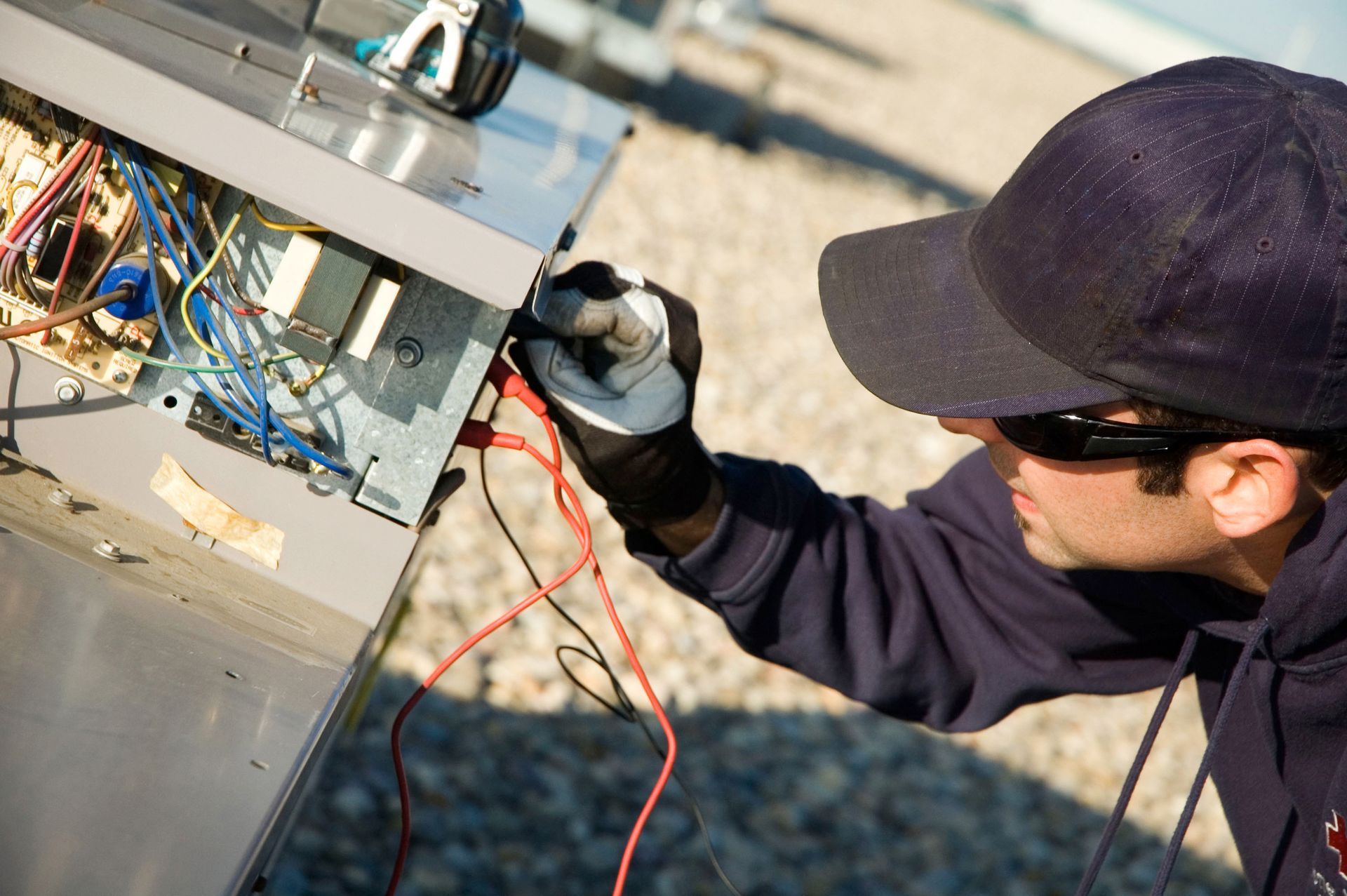
Modern cooling units operate with complex electronic control boards that can also degrade over years of continuous service. Environmental factors like humidity, dust, and temperature swings take a toll on these sensitive circuits. Routine professional diagnostics help identify failing electronic controls before they compromise the entire cooling cycle. Technicians utilize advanced meters to verify that voltage levels remain within safe factory parameters. Keeping these digital pathways clean and operational prevents communication errors between your thermostat and the outdoor condenser.
Adapting to Extreme Local Climate Demands
Living in an area with prolonged summer heatwaves puts immense physical stress on residential cooling equipment. Systems operating in hot, humid climates run for many consecutive hours without a break to maintain indoor comfort. This intense operational demand accelerates the breakdown of internal lubricants and increases overall mechanical strain. Extended run times mean that components reach their wear thresholds much faster than they would in milder regions.
High regional humidity levels force the cooling system to extract large amounts of moisture from the indoor air constantly. This heavy condensation loop can lead to clogged drain lines and biological growth inside the drain pan if left unmanaged. Increased professional monitoring in humid climates prevents water damage and limits the necessity for sudden AC repairs. Failing to address moisture accumulation can also cause rust to form on internal metal brackets, compromising structural stability over time. Keeping the drainage pathways clear protects your ceilings and floors from hidden overflow leaks.
According to ScienceDirect, a modest 2°C increase in the cooling setpoint, from 23°C to 25°C, lowered cooling demand by roughly 23% during the busiest cooling periods. However, even with smart thermostat adjustments, regional weather extremes require consistent professional system evaluations. Matching your maintenance schedule to local climate intensity keeps the machinery running reliably during seasonal temperature spikes. Localized weather patterns dictate whether a system needs biannual inspections rather than standard annual checkups.
Evaluating Daily Equipment Utilization Patterns
The specific ways a household utilizes a cooling system directly impact the necessary frequency of professional service. Homes with continuous occupancy, indoor pets, or frequent cooking generate higher levels of airborne particulates and dust. This increased indoor debris loads filter and coils faster, requiring more frequent professional cleanings to sustain airflow. Constant household activity naturally places a higher filtration burden on the entire HVAC infrastructure.
Structures with poor insulation or large windows facing the sun force cooling units to run longer cycles to maintain set temperatures. Continuous operation accelerates the degradation of moving parts, making standard annual intervals insufficient for proper care. Adjusting the service schedule to reflect high usage patterns prevents premature equipment failure and reduces frequent AC repairs. Customized maintenance intervals account for architectural variations that cause systems to work overtime.
Similarly, homes utilized as temporary vacation properties or left empty for long periods face unique mechanical challenges from stagnation. Seals can dry out, and pests can damage outdoor wiring when a system sits idle for months. Having professionals inspect the equipment before restarting it after a long period of inactivity prevents severe operational glitches. Pre-season startups for vacant properties safeguard the system against hidden defects that developed during the off-season.
Establishing a predictable timeline for professional cooling inspections keeps your living space comfortable and safe all year long. Balancing annual spring tune-ups with situational adjustments for climate and equipment age protects your long-term mechanical investments. Dedicating attention to regular professional assessments pays off in sustained comfort and lower operational costs throughout the lifetime of your unit. Contact Portland Heating & Air Conditioning today to schedule your preventative maintenance and protect your system from unexpected
AC repairs.