In the heat of summer, a reliable air conditioning (AC) system is essential for comfort and well-being. However, over time, AC units can exhibit signs of wear and tear that may indicate the need for
AC repairs. Recognizing these signs early can prevent minor issues from escalating into costly major repairs or replacements. Paying attention to the performance and efficiency of your AC unit can save you not only money but also the discomfort of a malfunctioning system in peak summer months. This article delves into the common indicators that your system might be in need of AC repairs, guiding you on timely and effective maintenance practices.
Unusual Noises
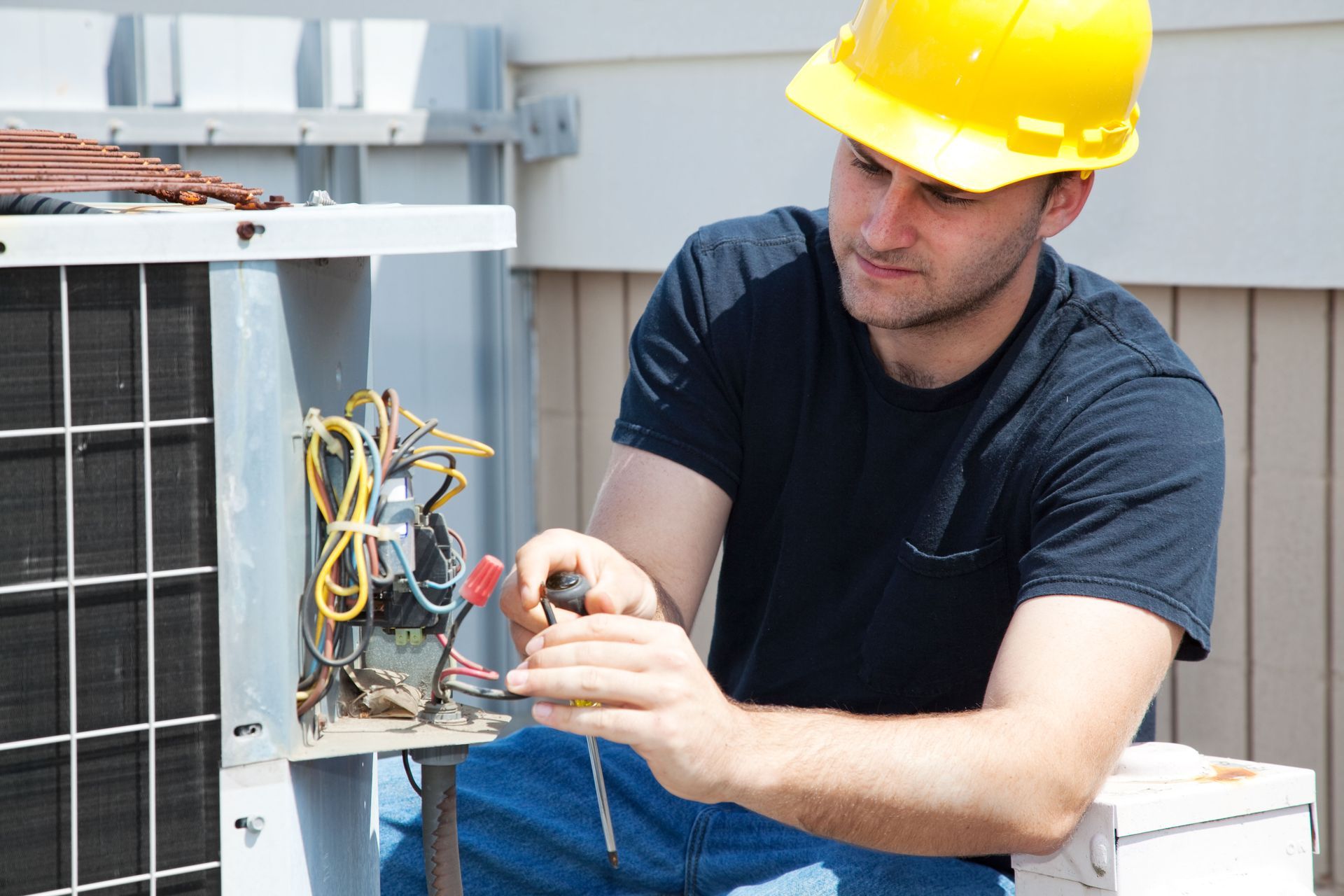
One of the first signs that your AC unit might need repair is unusual noises. Popping or banging sounds often suggest that there is an issue within the internal components, possibly a loose part that needs to be secured. Grinding and screeching indicate potential problems with the fan motor bearings, which, if left unchecked, can lead to more severe damage and significant repair costs. Rattling noises commonly point to loose screws or debris stuck within the unit, which should be addressed promptly to prevent further complications. Each sound offers a clue about different potential issues your AC unit may be experiencing.
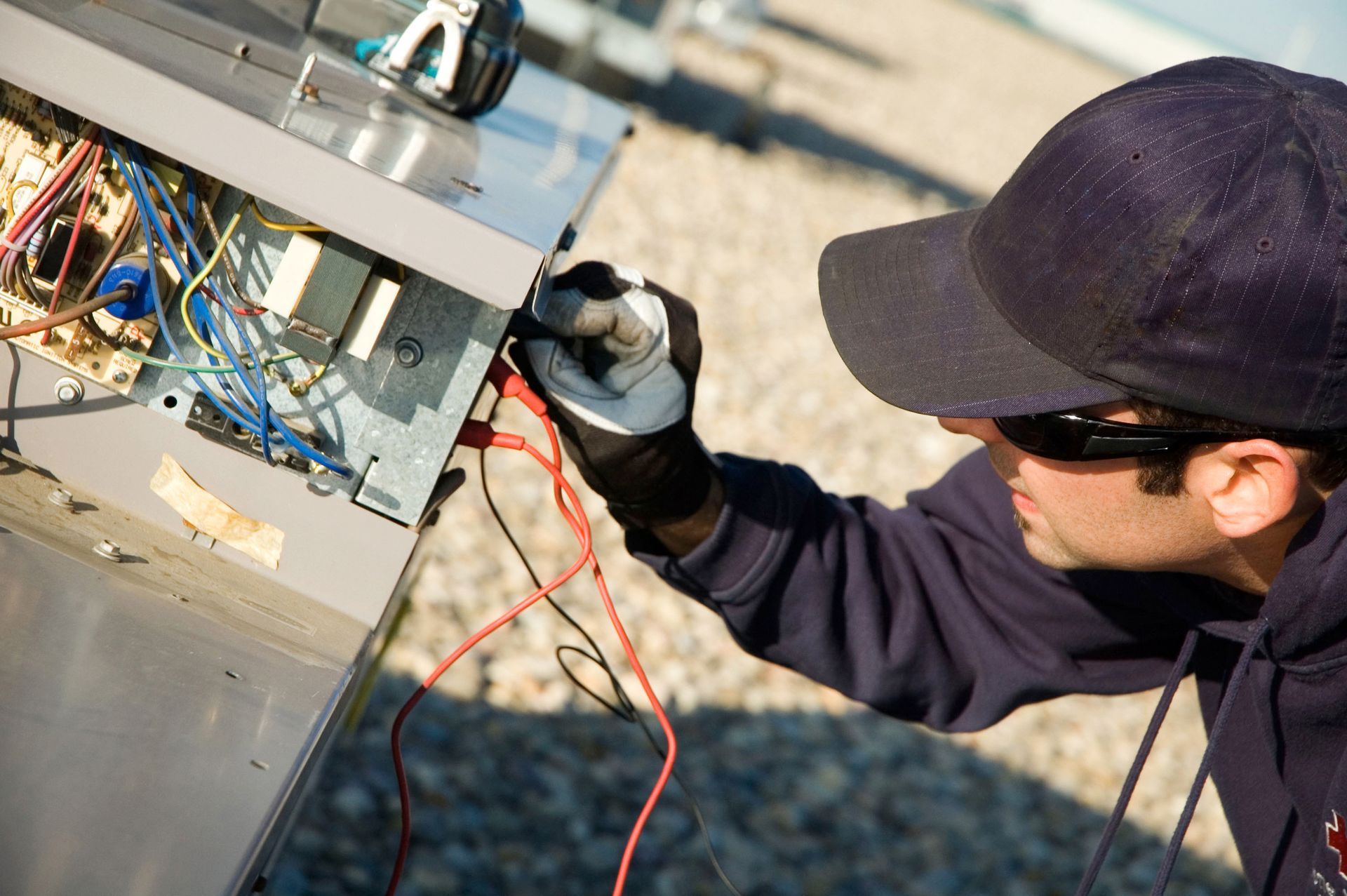
Consistent humming can denote multiple issues, ranging from electrical problems to a faulty compressor. While some humming noises are normal, an excessively loud or persistent hum might require professional inspection to unearth the underlying issue. Buzzing or clicking often denotes electrical issues or faults in the relay switch, and delayed attention could exacerbate the problem, eventually leading to electrical shorts or a complete unit failure. Not all sounds are alarming, but understanding the distinction between normal operational noises and problematic ones is crucial. Engaging a professional at the first sign of these noises can help in preventing further deterioration.
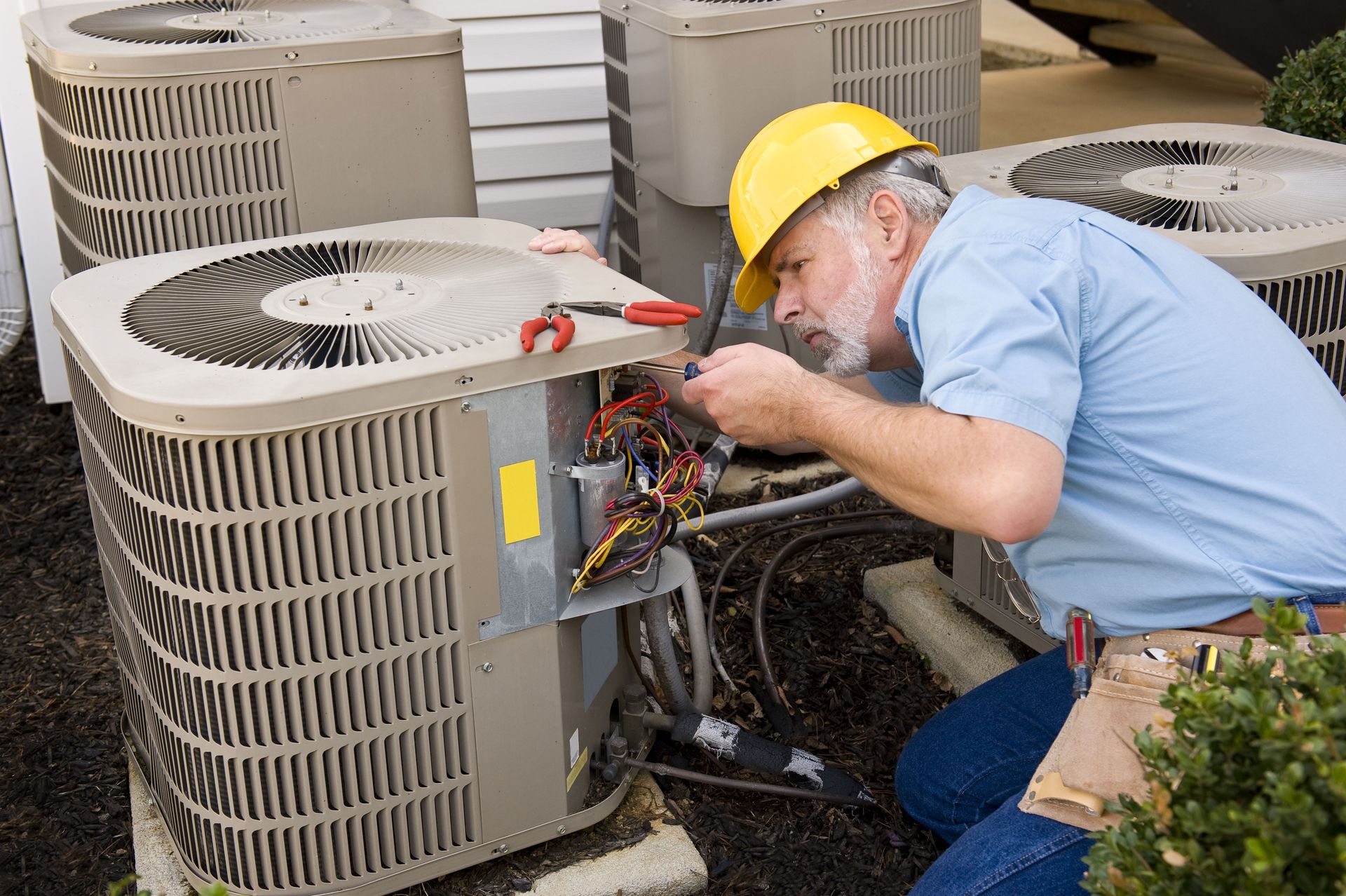
Addressing unusual noises not only helps ensure your comfort but also supports the longevity and efficiency of your AC unit. Timely AC repairs can prevent minor components from causing significant malfunctions over time. Interestingly, according to the U.S. Bureau of Labor Statistics, employment of heating, air conditioning, and refrigeration mechanics and installers is projected to grow 8% from 2024 to 2034, categorized as much faster than average for all occupations. This growth indicates an increased demand for professionals skilled in identifying and rectifying such issues. Ultimately, consulting experts for abnormal AC noises can offer both immediate relief and long-term savings.
Weak Airflow
Weak airflow is another significant warning sign that your AC unit may not be operating efficiently. Blocked vents or registers are a common cause and can easily be resolved by ensuring that furniture and other objects are not obstructing them. However, if the airflow remains weak after clearing blockages, the issue might lie deeper within the system. Ductwork obstructions, perhaps due to debris or damage, can significantly impede airflow and need professional attention to clear or repair. Regular inspection and cleaning can help prevent such obstructions and maintain optimal air distribution throughout your space.
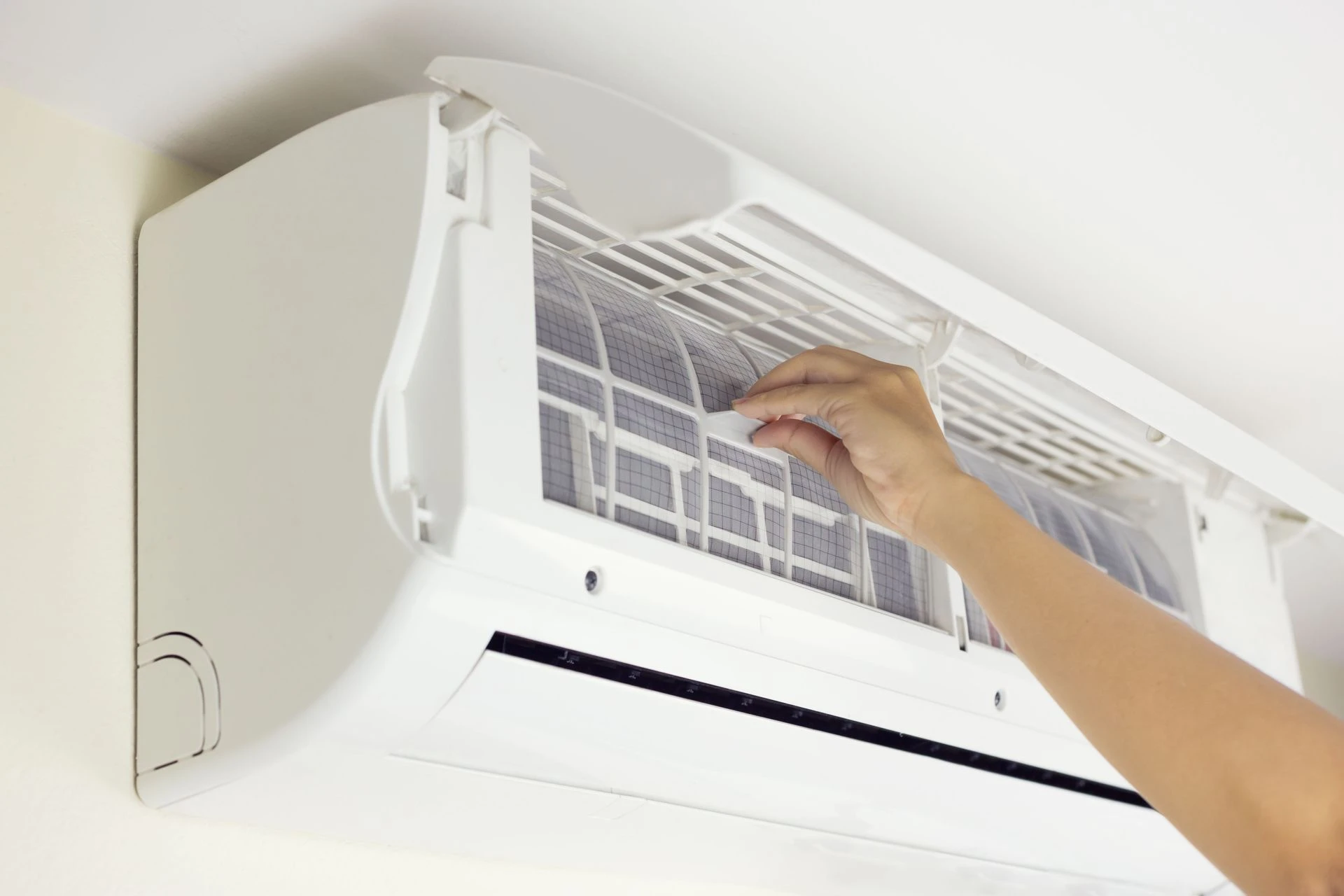
Another potential cause for weak airflow is problems with the fan or motor. If these components are not functioning correctly, it can limit the effectiveness of your AC unit, resulting in uneven cooling and increased energy consumption. Similarly, a clogged air filter can restrict airflow, thereby straining the system as it works harder to maintain set temperatures. Replacing air filters regularly ensures smoother air circulation and prevents additional strain on your system. Monitoring and maintaining internal components like fans and motors is essential for ensuring consistent, efficient cooling, especially during peak seasons.
Thermostat problems can also lead to weak airflow, as a malfunctioning thermostat might fail to regulate temperature settings accurately. Calibration or sensor issues could lead to discrepancies between the actual and desired temperatures, and such problems require professional intervention to resolve. Regular HVAC maintenance can catch and rectify subtle thermostat issues before they escalate into significant system malfunctions. Staying on top of these potential problems can save money in the long run, as well as extend the lifespan of your AC unit. Thus, professional check-ups, in conjunction with routine maintenance, are key to preventing and addressing weak airflow issues.
Inadequate Cooling
Inadequate cooling, another common complaint among AC users, can often be traced back to incorrect thermostat settings. Ensure the thermostat is set to the desired temperature and is switched between heating and cooling modes as needed. If the thermostat is set correctly but cooling is still inadequate, a refrigerant leak might be the culprit. Refrigerant leaks require immediate professional attention as they can significantly impact the efficiency of your AC and compromise comfort. Refrigerant levels are crucial for the cooling process, and insufficient levels mean the system cannot effectively cool your space.
Frozen evaporator coils are a frequent issue tied to inadequate cooling, often resulting from refrigerant issues or blocked airflow. When the evaporator coil becomes too cold, ice can build up, further blocking the usual airflow and resulting in a warm home. Cleaning or replacing the air filter and ensuring the right refrigerant levels can prevent such occurrences. Additionally, malfunctioning compressors, which are responsible for pumping refrigerant throughout the system, can also hinder cooling processes. Compressor issues often require professional repair or replacement to restore optimal functionality.
Improper system sizing can initially go unnoticed but may cause persistent inadequate cooling over time. If an AC unit is too small, it will struggle to cool a large space adequately, whereas an oversized unit can cycle off too quickly without dehumidifying appropriately. Consulting with a professional about your system's size compared to your home's needs can help determine if resizing or reconfiguring is necessary. The overarching importance of duty cycles and component function cannot be overstated, as each aspect of your AC unit plays a vital role in providing comfortable, effective cooling.
Strange Odors
Strange odors emanating from your AC can be both unpleasant and indicative of underlying issues. A musty or moldy odor typically points to mold or mildew growth within the system, often in the air ducts or near the condenser unit. Mold thrives in damp environments, making regular inspection and cleaning essential to prevent its proliferation. Burning odors are more serious, signaling potential electrical issues or overheating components. Promptly addressing such smells is crucial, as they could indicate conditions that might lead to fires or severe damage.
Cigarette smoke residue can cling to air conditioning components, and when the system is operating, the odors can be circulated throughout your home. Smoke-affected units may require thorough cleaning, particularly if prior occupants were smokers. Chemical or acetone smells could suggest refrigerant leaks, a problem that should be resolved swiftly by a qualified technician to prevent health risks and system malfunctions. Furthermore, exhaust fumes might indicate cross-contamination within the system, particularly if your unit is gas-powered. Checking exhaust lines and connections can help to pinpoint and resolve such issues.
Being proactive about strange odors can preserve indoor air quality and prevent more serious AC faults. Timely intervention and professional evaluation can rectify odor-related issues, ensuring your system operates efficiently and safely. Given the complexities involved in diagnosing certain odors, it's beneficial to seek professional assistance when you detect any unusual smells. Skilled technicians have the tools and experience necessary to both identify and mitigate the causes effectively. Addressing strange odors promptly can therefore protect your home environment and safeguard your system's functionality.
An attentive approach to the functioning of your AC unit is vital for maintaining its efficiency and longevity. Addressing issues like unusual noises, weak airflow, and strange odors promptly can prevent more severe damage. Regular maintenance and timely repairs not only enhance comfort but also contribute to energy savings and an extended lifespan of your AC system. Being proactive about these signs ensures you enjoy a cool, comfortable environment during those scorching summer months. Ultimately, informed maintenance practices coupled with professional assistance when needed are key to sustaining your AC system's optimal performance. Contact Portland Heating & Air Conditioning today for quality AC repairs.